
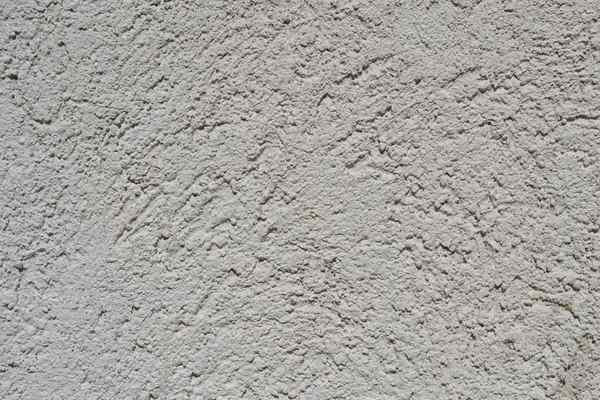
Perfectly smooth drywall is no longer the only backdrop for a modern room. In 2026, interiors are leaning toward surfaces that show the hand of the maker: cloudy colour shifts, soft ridges, mineral movement and finishes that look slightly different as daylight changes. The appeal is not simply “more texture.” It is depth without extra clutter. A wall can carry visual interest on its own, allowing furniture and artwork to stay restrained.
That makes textured wall finishes for modern homes especially useful in spaces that feel too flat or newly built. The strongest results are usually subtle rather than theatrical. Instead of covering every surface with heavy relief, texture is being used to give selected walls a quieter sense of age, craft and material character.
Why textured walls work in modern interiors
Modern rooms often rely on simple shapes, open layouts and limited colour palettes. Those choices can look elegant, but they can also become visually thin when every surface is uniformly smooth. Texture changes that relationship. A matte plaster wall catches light across tiny variations in the surface, while a brushed mineral finish creates tonal movement without introducing a busy pattern.
Limewash for soft, cloudy movement
Limewash is one of the most recognisable wall finish ideas for this look. Traditional limewash uses lime to create a matte mineral surface with natural tonal variation. Modern decorative products inspired by limewash can produce a similar cloudy effect, although composition and application requirements vary.
It works particularly well in living rooms, bedrooms and dining spaces where side lighting reveals the brushwork. Warm stone, mushroom, clay, muted olive and chalky off-white tones emphasise movement without making the wall feel overly decorative. Darker versions can create drama, but they generally need thoughtful lighting.
Venetian plaster for refined depth
Venetian plaster sits at the more polished end of textured walls. Applied in thin layers and worked by hand, it can range from softly mottled and matte to noticeably lustrous, depending on the product and technique. Rather than adding obvious bumps, it creates depth through variation and reflected light.
This makes it effective in entrance halls, dining rooms, fireplace surrounds or behind a bed. In a minimalist scheme, warm beige or pale taupe plaster can make a large wall feel complete without covering it with artwork. Because the result depends heavily on application, viewing a sample in the actual room is worthwhile.
Clay-style finishes for a dry, earthy surface
Clay-based and Roman-clay-style finishes offer a flatter, velvety interpretation of texture. Their character comes from subtle trowel marks and colour variation rather than deep relief. They pair naturally with oak, linen, wool and stone, making them useful when a room needs warmth without rustic styling.
A muted clay finish behind floating cabinetry, for example, can add dimension without competing with the cabinetry itself. It is a useful middle ground for homeowners who want handcrafted texture but still prefer crisp, architectural rooms.
Microcement for seamless, concrete-like walls
Microcement and similar cement-look coatings create a continuous surface that feels architectural rather than decorative. The visual texture usually comes from trowel movement and tonal shifts instead of coarse grain. Soft grey, warm greige and sand tones can suit both industrial and warmer modern interiors.
Specification matters. Not every microcement-style product is suitable for every substrate or wet area. Bathrooms may require a complete compatible system including primers, waterproofing or sealers. In kitchens and shower rooms, follow the manufacturer’s technical guidance rather than assuming a cement appearance automatically means water resistance.
Rough plaster for deliberate imperfection
Not every plaster wall needs to be polished. Rougher, hand-worked plaster is increasingly used to make modern homes feel less precise and more human. Broad trowel marks, gentle undulations and softened edges can look striking when the rest of the room remains simple.
The key is scale. Fine texture reads as calm from across the room, while deep ridges cast stronger shadows and become a dominant feature. In smaller spaces, aggressive texture can feel busy and may collect more dust. A sample board viewed from several metres away is more useful than judging the finish from a close-up image.
Timber slats and fluted panels for structured texture
Texture does not have to be wet-applied. Fluted timber, narrow slats and ribbed wall panels bring rhythm and shadow to plain rooms. Used selectively, they can add warmth behind a television wall, headboard or dining banquette while keeping the geometry clean.
Choose the finish by light and lifestyle
Start with the light, not the trend. Texture becomes more visible when light travels across a wall, so a surface beside a window can behave very differently from one facing it. Before committing, create or request a generous sample and move it around the room during the day.
Also consider how the wall will be used. A low-traffic bedroom can tolerate a more delicate finish than a hallway exposed to bags, hands and frequent cleaning. Kitchens and bathrooms place more emphasis on cleanability, moisture exposure and product compatibility.
For a practical example, imagine a renovated living room with white walls, an oak floor and a cream sofa that still feels flat. Rather than adding several new colours, apply a warm mineral or clay-style finish to the wall receiving the strongest side light and leave the remaining walls simple. The shifting light creates depth through the day while the limited palette preserves the modern feel.
FAQ
Are textured wall finishes suitable for small rooms?
Yes. Small rooms can benefit from subtle texture because it adds depth without using floor space. Fine-grained or softly mottled finishes are usually easier to balance than deep relief, especially where natural light is limited.
Are textured walls harder to clean?
They can be. Deep or porous surfaces may hold more dust and can be harder to wipe than smooth washable paint. Maintenance depends on the product, so check the manufacturer’s cleaning guidance before using it in busy areas.
Can textured finishes be applied over drywall?
Many can be applied over properly prepared drywall, but the surface normally needs to be stable, clean and primed as specified. Some systems require specialist base coats or preparation, so product instructions should guide the build-up.
Should every wall in a modern home be textured?
Usually not. Texture is most effective when it has contrast. One or two carefully selected surfaces can feel architectural, while smoother surrounding walls keep the room balanced.
Depth without decorative overload
The best textured wall finishes for modern homes do not depend on exaggerated effects. Limewash, plaster, clay-style coatings, microcement and timber relief work because they give light something to interact with. The surface changes gently as you move through the room, creating interest without adding more objects or stronger patterns.
For 2026 interiors, controlled imperfection is a convincing way to make clean spaces feel warmer and more individual. Choose according to light, durability and setting, and texture becomes part of the architecture rather than a temporary decorative trick.