
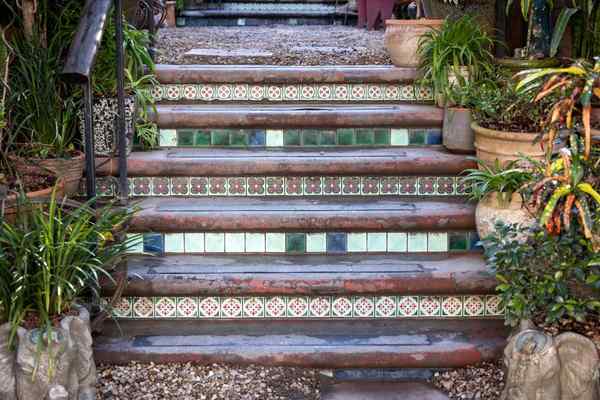
Terracotta is finding its way back underfoot for a simple reason: homes are getting warmer, more tactile, and less interested in looking perfectly polished. Across 2026 design coverage, earthy finishes and handmade-looking surfaces are replacing some of the cool grey and ultra-smooth materials that dominated the previous decade. Terracotta flooring fits that shift naturally. Its clay tones bring instant depth, while subtle colour variation gives a room character that usually takes years to develop.
The best terracotta tile flooring ideas for a modern home are not about recreating a rustic villa from top to bottom. The material feels especially current when balanced with clean cabinetry, simple walls, natural wood, aged metals, or contemporary furniture.
Why terracotta flooring feels right for 2026
Terracotta is made from fired clay, so its appeal starts with natural colour and texture rather than a printed surface effect. Traditional tiles often vary slightly from piece to piece, creating movement across a floor. That imperfection softens streamlined interiors and makes large surfaces feel less flat.
Warm flooring trends are also moving beyond a single shade of beige. Terracotta ranges from pale peach and sandy clay to rich rust, red-brown, and burnt orange, making it possible to match the floor to the architecture and light of the home.
Use terracotta to warm up a modern kitchen
A kitchen is one of the strongest places to use terracotta because the floor can counterbalance hard surfaces such as stone worktops, painted cabinetry, stainless steel, and glass. Square or rectangular tiles laid in a simple grid keep the result calm, while handmade or tumbled edges introduce more rustic character.
Imagine a kitchen with off-white Shaker cabinets, pale quartz worktops, and brushed brass handles. A medium-toned terracotta floor adds enough colour to stop the room feeling sterile without competing with the cabinetry. If the kitchen already contains dark timber or heavily veined stone, a lighter clay tile can prevent the scheme becoming visually heavy. A guide to warm kitchen colour ideas would fit naturally alongside this approach.
Create an inviting entryway with earthy tile
Entryways benefit from flooring that makes an immediate impression. In a narrow hall, a simple running-bond layout can visually lengthen the space. In a wider entrance, herringbone or a mixed-size pattern creates more movement and gives the floor a decorative role.
Because genuine terracotta is porous, the finish and sealing system matter in areas exposed to wet shoes, dirt, and frequent cleaning. Follow the tile supplier’s installation and sealing instructions rather than assuming every product needs identical treatment. Testing the chosen sealer on a spare tile first is sensible because some products deepen the colour.
Pair terracotta with quiet, natural materials
One of the easiest ways to keep earthy tile ideas sophisticated is to limit competing textures. Terracotta already has visual variation, so calmer surrounding materials allow it to lead the room.
Combine clay tones with light wood
Oak, ash, and other light-to-mid-tone woods echo terracotta’s warmth without matching it exactly. This works particularly well in kitchens, dining areas, and open-plan rooms where timber furniture creates a visual bridge between the floor and the rest of the interior. Natural material combinations are also a useful related topic for readers planning a layered scheme.
Use soft white instead of stark white
Warm whites, chalky creams, and muted plaster tones are often more flattering beside terracotta than blue-based brilliant white. They let the clay colour feel rich rather than overly orange. Linen, wool, woven fibres, and small amounts of dark metal add depth without making the room busy.
Introduce green as a natural contrast
Olive, sage, and deeper forest greens sit comfortably beside rust and clay tones. The combination feels botanical and grounded, making it useful in garden rooms, kitchens, and spaces with plenty of plants.
Choose the tile shape to suit the room
The same terracotta colour can look completely different depending on format. Large squares create a broad, relaxed surface and suit bigger kitchens or open-plan rooms. Slim rectangles bring a more tailored look, especially in herringbone. Hexagonal tiles add pattern without multiple colours, while mixed-size layouts create a more collected, old-world effect.
Small spaces do not automatically require small tiles. Fewer grout lines can sometimes make a compact room feel calmer. Place several full-size samples on the floor and view them in morning and evening light before ordering. Clay tones can shift noticeably as natural light changes.
Consider terracotta-look porcelain for demanding spaces
Authentic clay has a distinctive surface and patina, but it is not the only way to achieve the look. Terracotta-look porcelain can be a practical alternative where homeowners want more consistent colour, lower porosity, or simpler maintenance. Modern versions can reproduce clay-like variation while offering porcelain’s more predictable performance.
Genuine terracotta suits homeowners who value natural variation and are comfortable following the required sealing and care routine. Porcelain is worth considering when easy upkeep matters more than authentic material character. Readers comparing both options may also benefit from a guide to choosing floor tile materials.
Let the floor age gracefully
A terracotta floor is rarely at its best when treated as a flawless showroom surface. Slight tonal differences, softened edges, and gradual patina are part of its personality. That makes it appealing in busy homes where a floor needs to live comfortably with everyday use.
For routine care, follow the manufacturer or sealer supplier’s recommendations and avoid assuming harsh or acidic cleaners are suitable. Good entrance mats, prompt spill cleaning, and the correct maintenance products can do more for long-term appearance than aggressive scrubbing.
Frequently asked questions
Is terracotta tile suitable for kitchens?
Yes, terracotta can work well in kitchens when the specific tile is installed, sealed, and maintained correctly. Products vary in porosity and finish, so follow the supplier’s guidance for stains, moisture, and cleaning.
Does terracotta flooring make a room look dated?
Not necessarily. Pairing terracotta with simple cabinetry, restrained wall colours, modern lighting, and natural textures creates a fresher result than combining it with too many overtly rustic details.
What colours work best with terracotta floors?
Warm whites, cream, olive, sage, muted blue, natural wood, charcoal, and soft plaster shades all work well. Choose supporting colours according to whether the tile leans peach, orange, red, or brown.
Is real terracotta better than terracotta-look porcelain?
Neither is universally better. Real terracotta offers natural variation and authentic clay character, while porcelain can provide easier maintenance and more consistent performance. The right choice depends on the room, lifestyle, budget, and desired finish.
A warmer foundation for the home
Terracotta’s 2026 revival makes sense because it answers a broader desire for rooms that feel relaxed, tactile, and lived in. It can give a crisp kitchen more soul, turn an entryway into a design feature, or add warmth to an otherwise neutral open-plan space. The strongest schemes let the floor provide the character while everything around it stays considered and relatively simple. Choose the tone, format, and finish for the way the room is actually used, and terracotta can feel timely now without depending on a short-lived trend.