When you need to clean a house fast, the biggest mistake is treating every task as equally urgent. A streak on a hallway mirror matters less than food debris on a kitchen counter or a dirty toilet. The trick is to follow a deliberate route: clear clutter, clean important surfaces, then finish with the floors. That creates a noticeably fresher home without pretending a quick session replaces deep cleaning.
This approach works before guests arrive or at the end of a busy day. Think of it as focused speed cleaning, not permission to skip essential hygiene.
Decide What Matters Before You Start
Identify the rooms people actually use: usually the kitchen, bathroom, living area, and entryway. Bedrooms may need only a light reset unless someone is staying overnight. A small, reasonably tidy home might take 30 to 45 minutes; larger spaces and heavy buildup need longer.
Work in this order: remove loose items, wipe surfaces, clean the kitchen and bathroom, then vacuum or sweep. This keeps you from knocking crumbs onto a floor you have already cleaned. Prioritize food-preparation areas, bathroom hygiene, and spills that could cause a slip.
Carry One Simple Cleaning Kit
Gather microfiber cloths, a suitable all-purpose cleaner, a bathroom cleaner, a toilet brush, gloves, a trash bag, and a basket for misplaced items. Keep your vacuum and floor-cleaning supplies nearby. Choose products appropriate for each surface, especially natural stone, wood, and delicate finishes.
Use separate cloths for the toilet and kitchen, and launder reusable cloths afterward. Never mix cleaning products, particularly bleach with other cleaners. Having everything ready prevents quick house cleaning from becoming a search through cupboards.
A Practical 45-Minute Speed-Cleaning Route
Here is an example for a moderately tidy, two-bedroom home. Adjust the schedule for your space and take longer whenever a mess requires proper attention. Timers help you focus; they should never override safe cleaning instructions.
Minutes 0–8: Remove Clutter
Collect rubbish, carry dishes to the kitchen, place laundry in the hamper, and return obvious stray objects. Keep a basket for things that belong in other rooms, but empty it before you finish rather than hiding the mess indefinitely.
Straighten sofa cushions and fold throws as you pass through. These small changes make rooms look orderly quickly. Resist the urge to reorganize a drawer or sort paperwork; that is another job.
Minutes 8–18: Clean the Kitchen
Load the dishwasher or wash enough dishes to clear the sink. Wipe the table, counters, faucet, and frequently touched cabinet handles. Remove food residue and sticky spills instead of wiping around them.
Follow cleaner labels, including any rinsing instructions for food-contact surfaces. Empty the rubbish if needed. Leave oven interiors and cupboard organizing for a planned deep clean unless there is an urgent spill. A usable sink and clean preparation surfaces matter more than a polished toaster.
Minutes 18–30: Refresh the Bathroom
Put toiletries away, remove hair, and clean the basin, faucet, and counter. Clean the toilet bowl, seat, handle, and visibly dirty exterior areas using suitable products and a dedicated cloth. Replace a soiled hand towel and address any wet or dirty floor patches.
Spot-clean marks on the mirror. If the shower needs serious descaling, schedule that separately instead of sacrificing sink and toilet cleaning. A bathroom should be hygienic, not merely smell fresh.
Minutes 30–40: Wipe Touchpoints and Floors
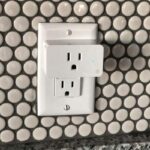
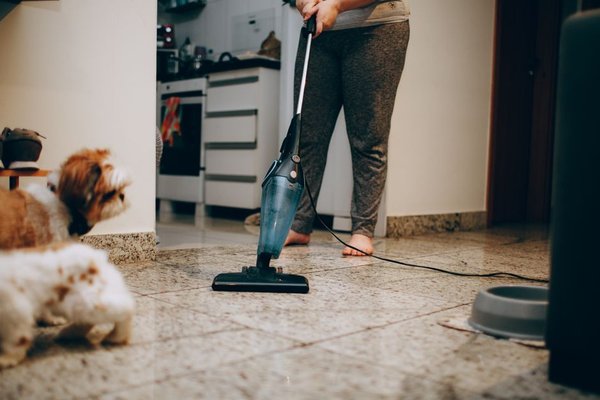
Clean visibly dirty handles, switches, and other frequently touched spots with a method safe for each fixture. Never spray liquid directly into electrical fittings. Then vacuum or sweep the main walking routes, especially the kitchen, entryway, and living room.
Spot-mop sticky patches with a floor-compatible product. Working from surfaces down to floors means you collect fallen dust and crumbs once.
Minutes 40–45: Check the Result
Put the last objects away, dispose of collected rubbish, and inspect the entrance and bathroom. Return supplies to their storage place and wash your hands. Make a note of anything that needs a longer cleaning session.
What Not to Skip When Time Is Short
Speed should not mean spreading dirt from room to room. Change cloths when necessary, never reuse toilet-cleaning cloths in the kitchen, and clean up spills that could cause falls. If a surface is heavily soiled, do the job properly rather than stopping only because a timer rings.
Cleaning and disinfecting are different. Routine washing with soap or an appropriate detergent removes dirt and many germs. When someone is sick or especially vulnerable, disinfection may also be needed. Clean first, follow the disinfectant label and ventilation guidance, and keep the surface wet for the stated contact time. A fast spray and immediate wipe may not disinfect effectively.
For longer-term upkeep, a weekly cleaning checklist can separate tasks such as windows, baseboards, and appliance interiors from this shorter routine.
Time Traps That Make Cleaning Take Longer
Moving back and forth between rooms wastes steps, so keep your supplies with you. Organizing every object also creates delays. Return everyday items to their usual places without starting a major decluttering project.
Another trap is polishing low-impact details while the sink remains full. Choose what people see, touch, and use most. Save optional cosmetic work until essential cleaning is complete.
Make Tomorrow’s Clean Easier
Small habits reduce the amount of work waiting for you: wash or load dishes after meals, wipe fresh spills promptly, keep shoes in one place, and spend five minutes putting objects away each evening.
If clutter repeatedly blocks your progress, a room-by-room decluttering guide can help you create practical storage. A bathroom cleaning routine also prevents neglected tasks from turning into a weekend project. Those habits are the foundation of reliable time saving cleaning.
Frequently Asked Questions
What is the fastest way to clean a house?
Start with rubbish and clutter, clean high-use kitchen and bathroom surfaces, and finish with the main floors. Carry supplies with you and avoid switching to deep-cleaning projects. This order reduces repeated work.
Can I clean my entire house in 30 minutes?
You can often refresh a small, relatively tidy home in 30 minutes. Thorough cleaning in a larger or dirtier home takes longer. Focus on essential rooms and schedule other tasks separately.
Should I dust or vacuum first?
Dust higher surfaces before vacuuming or sweeping. Crumbs and dust can fall while you clean, so doing floors last saves another pass. A suitable damp cloth helps capture dust.
Do I need to disinfect everything?
Usually not. Routine cleaning is sufficient for many household surfaces. Consider appropriate disinfection when someone is sick or at higher risk, and always follow product instructions and wet contact times.
A Clean Home Without the All-Day Effort
Learning how to clean a house fast means giving the right tasks the right attention. Clear obstacles, clean surfaces that affect comfort and hygiene, then finish with the floors. You can clean your home quickly without turning every session into a deep clean—or overlooking the work that genuinely matters.