
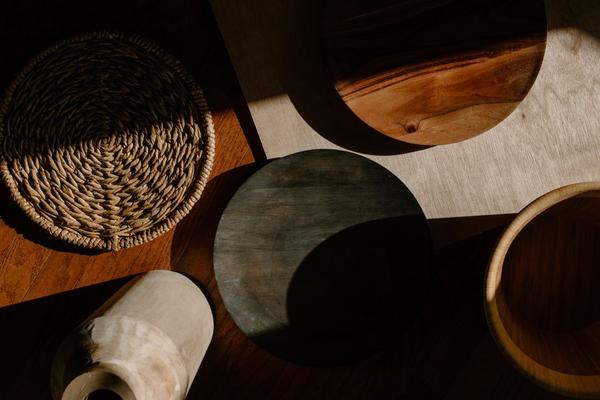
Matching every timber finish used to be treated as the safe option. In 2026, the more current approach is almost the opposite: rooms are being built around contrast, visible grain, warmer finishes and a deliberately collected mix of light and dark woods. Natural timber brings texture and warmth, while variation stops a room from feeling like a furniture set bought in one afternoon.
Current wood furniture trends are also moving beyond the long dominance of pale oak. Light woods still have a place, but walnut, darker stains, burl and richly grained surfaces are being used alongside them. That makes mixed wood tones less of a compromise and more of a design tool.
Why mixed wood tones feel right in 2026
The wider interiors shift is toward spaces that feel personal, tactile and connected to natural materials. Wood suits that direction because no two grains are identical. Pairing a pale oak floor with a walnut table or dark stained cabinet creates depth without relying on lots of colour or pattern.
The key trend is freedom from exact matching. A wood tone pairing can be subtle, such as white oak with honey oak, or more graphic, such as ash beside dark walnut.
Start with the dominant wood
Identify the wood tone that already occupies the most visual space. In many homes this will be the flooring, kitchen cabinetry, a large dining table or built-in joinery. Treat that surface as the anchor rather than something every new piece must copy.
If your floor is pale oak, for example, you can introduce a mid-tone sideboard and a darker coffee table without making the scheme feel disjointed. The floor remains the dominant note, while the darker pieces provide contrast.
Pay more attention to undertone than species
Different species can work beautifully together when their undertones relate. Look at whether the timber reads warm, cool or neutral. Warm woods often lean golden, red or orange; cooler finishes may appear grey-brown or slightly ashy.
A practical test is to place samples or furniture photos together in daylight. If one timber looks strongly orange and another distinctly grey, the contrast may feel accidental unless another element bridges them. If both share a warm base, they are usually easier to combine even when one is much darker.
Use light, medium and dark tones intentionally
A room often feels more layered when the woods are clearly different rather than almost matching. Near-matches can look accidental; contrast looks deliberate. Think in broad categories of light, medium and dark instead of chasing an exact stain name.
A living room might combine light oak flooring, a medium vintage teak cabinet and a dark walnut side table. Because each sits in a different tonal range, the eye reads them as separate but related elements.
Repeat a wood tone at least once
Repetition is one of the easiest ways to make mixed wood tones feel cohesive. If a dark walnut console is the only dark timber in a pale room, echo that depth in a picture frame, lamp base, stool or small table. The repeated note gives the room visual rhythm.
The repeat does not need to be exact. A dark brown frame can support a walnut table even if the species and finish differ. What matters is that the colour family appears more than once.
Let grain and finish add another layer
Wood tone is only part of the story. Designers in 2026 are showing greater interest in visible grain, handcrafted details and finishes that allow natural variation to remain noticeable. A smooth pale oak cabinet can therefore sit comfortably beside a more expressive burl, reclaimed timber or open-grain walnut piece.
If several woods have very active grain patterns, the room can become busy. Let one strongly figured surface be the feature and keep surrounding timber quieter.
Balance wood with stone, metal and textiles
Stone, linen, wool, leather, plaster and aged metal can act as visual pauses between timber surfaces. This is one reason mixed woods work so naturally within organic and biophilic-inspired interiors.
For example, a walnut dining table on an oak floor may initially feel like a sharp contrast. Add oatmeal upholstered chairs, a stone bowl and a textured rug, and the arrangement becomes more connected because the woods are no longer competing directly.
Count fixed finishes before buying furniture
Doors, skirting boards, beams, flooring and kitchen units all count as part of your wood palette. A common mistake is to plan furniture in isolation and then wonder why the room feels crowded with tones.
Stand at the doorway and list every visible timber finish before buying anything new. If you already have three strong wood colours, another may not help. Painted, upholstered, glass or metal furniture can give the eye a break.
Use darker woods as focal points
One of the clearest 2026 shifts is renewed confidence in richer woods. Walnut and other deep finishes are appearing as a counterpoint to pale timber rather than replacing it completely. A dark piece can ground a light room, especially when the larger surfaces are neutral.
Try a walnut dining table with lighter chairs or a deep wood console beneath contemporary artwork. The contrast creates structure without making the whole room heavy.
Avoid matching furniture sets
The most convincing rooms usually look assembled over time. Buying a bed, bedside tables, chest and wardrobe in the same finish can flatten a scheme. Mixing woods allows each piece to have a clearer identity.
If you already own a matching set, break it up gradually with one contrasting piece, such as a darker bedside table or lighter bench. Small changes can shift the room from coordinated to collected.
Related reading on material combinations, furniture placement and natural-texture interiors can help you carry the same approach into other rooms without repeating an identical palette.
Frequently asked questions
How many wood tones can you mix in one room?
There is no absolute limit, but two or three clearly related tones are easier to manage. If the room already contains timber flooring or cabinetry, count those before adding furniture.
Can light oak and dark walnut work together?
Yes. The contrast is often more successful than trying to match two similar mid-toned woods. Repeat each tone elsewhere and use neutral textiles or stone to soften the transition.
Should all wood undertones match?
They do not have to match exactly, but shared warm or cool undertones usually create a more coherent result. Strongly conflicting undertones can still work when the contrast is intentional.
Are dark woods replacing light woods in 2026?
No. Pale oak and other light timbers remain widely used. The change is that richer woods are being added back into the palette, creating more varied and layered interiors rather than a single dominant finish.
Make contrast look deliberate
The strongest wood tone mixing trends for 2026 are not about a rigid formula. Start with the timber already dominating the room, check undertones, build contrast through light and dark values, and repeat key tones so the eye can connect them. When grain, colour and surrounding materials are balanced, mixed woods make a home feel warmer, more individual and far less staged than a perfectly matched scheme.