
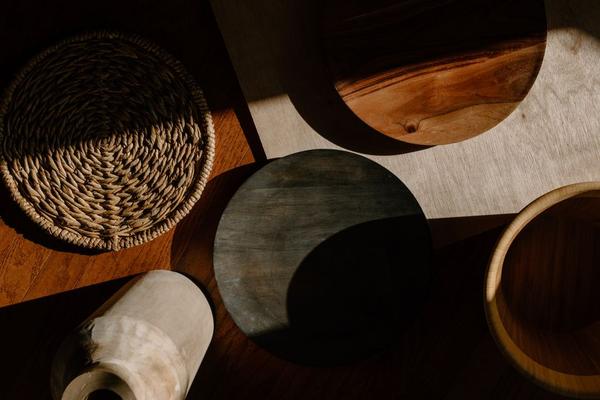
For years, matching every timber finish was treated as the safest route to a polished room. In 2026, that idea feels increasingly dated. The strongest interiors now combine pale, mid-toned and dark woods in a way that feels collected, crafted and connected to nature. This shift is closely tied to biophilic design, where natural materials, visible grain and tactile surfaces help a space feel warmer and more grounded.
The appeal of mixed wood tones is not about creating visual chaos. It is about building contrast with intention. A light oak table can sit comfortably beside walnut cabinetry, while a darker stained chair can add depth without making the room feel heavy. The key is to create relationships between the woods rather than trying to make every piece identical.
Why Wood Tone Mixing Is a Leading 2026 Trend
The wood tone mixing trends 2026 are moving away from flat, showroom-style coordination. Homeowners and designers are favouring rooms that feel layered over time, with furniture and finishes chosen for their individual character. This makes interiors more personal and gives handmade or well-crafted pieces space to stand out.
Mixed light-and-dark wood craftsmanship also fits the broader shift in wood furniture trends towards natural textures. Stone, linen, wool, clay and timber all bring subtle variation into a room. When different woods are used together, the result feels richer and more organic than a single repeated finish.
Begin with the Undertone, Not the Colour Name
Before comparing how light or dark two woods are, look at their undertones. Timber can lean warm, cool or neutral. Warm woods often show golden, honey, red or orange notes. Cooler woods may appear grey, ashy or slightly blue, while neutral finishes sit somewhere between the two.
Keep a Common Temperature
The simplest approach is to mix woods that share a similar temperature. Honey oak, warm walnut and medium teak can look naturally connected even when their depth varies. Likewise, pale ash and grey-washed oak can work together because both have cooler qualities.
Choose One Dominant Wood Tone
A room becomes easier to balance when one wood acts as the foundation. This dominant tone may come from the flooring, kitchen cabinetry, a large dining table or built-in storage. Other woods should support that main finish rather than compete with it.
Let Large Surfaces Lead
Fixed and visually prominent surfaces should guide the scheme. Flooring usually covers more space than any individual item of furniture, so it deserves particular attention. Instead of searching for furniture that matches it exactly, choose pieces that are clearly lighter, darker or differently grained. A near-match can look accidental, while a purposeful contrast feels confident.
Balance Light and Dark Woods Across the Room
One dark wood item in a room filled with pale timber can feel isolated. Repeating that darker note elsewhere creates rhythm. A walnut coffee table might be echoed by picture frames, chair legs or a narrow shelf. The repetition does not have to be exact; it simply needs to feel related.
The same principle applies to light woods. In a room dominated by deep cabinetry, a pale timber bench, woven natural accessories or a light wood side table can prevent the scheme from feeling too dense. Successful mixed wood tones are distributed around the space rather than grouped in one corner.
Use Grain and Finish to Create Harmony
Colour is only one part of wood tone pairing. Grain pattern, sheen and surface treatment also affect how two pieces relate. Highly figured timber naturally draws attention, while a quieter grain works well as a supporting finish. If every surface has a dramatic pattern, the room can become visually restless.
Mix Finishes with Restraint
Matt and low-sheen finishes remain especially useful because they reveal texture without adding glare. A softly oiled table can sit beside painted cabinetry or a lightly sealed floor with ease. Glossy finishes are more assertive, so they are often best used in smaller amounts.
How to Mix Wood Tones in Different Rooms
Kitchens and Dining Areas
Kitchens offer a strong opportunity to combine light and dark woods. Pale upper cabinets can make the room feel open, while darker lower cabinetry or an island adds weight. In dining spaces, chairs do not have to match the table. A darker chair frame beside a lighter table can look sophisticated when the undertones remain compatible.
Bedrooms
Bedrooms benefit from softer contrast. A light wood bed can be paired with medium-toned bedside tables, while darker timber may appear through a bench, mirror frame or chest of drawers. Bedding, curtains and upholstered elements help keep the mix calm rather than busy.
Common Wood Mixing Mistakes to Avoid
The most frequent mistake is using several woods that are almost, but not quite, the same. Slightly different versions of one medium-brown finish can look unplanned. Clear variation usually works better. Another issue is introducing too many dominant grains, especially in a small room.
Avoid choosing each wood in isolation. Always view samples together and, where possible, in the actual room. Natural and artificial light can change how undertones appear. Finally, remember that timber is part of the wider palette. Wall colour, metal finishes, textiles and stone surfaces should support the wood combination rather than fight it.
Frequently Asked Questions
How many wood tones can you mix in one room?
Two or three main wood tones are usually easy to manage, although larger rooms can hold more variation. The important point is to establish one dominant wood and repeat supporting tones so the arrangement feels connected.
Can light and dark wood furniture be used together?
Yes. Light and dark wood furniture often creates the most effective contrast. Check that the undertones work together, then repeat each tone in at least one other area of the room.
Should wood furniture match the flooring?
No. Furniture does not need to match the flooring exactly. A deliberate contrast is often more successful than a close but imperfect match. Use the floor as the dominant reference and choose furniture that is clearly lighter, darker or differently textured.
Can warm and cool woods be mixed?
They can, but the combination needs a connecting element. Neutral wall colours, patterned textiles or finishes that include both temperatures can help warm and cool woods sit comfortably together.
Creating a Confident, Layered Interior
The best wood tone mixing trends 2026 are less about strict rules and more about thoughtful relationships. Start with undertones, choose a dominant finish, create clear contrast and repeat supporting tones throughout the room. Pay attention to grain, sheen and the surrounding materials as carefully as colour.
When these elements are balanced, mixed woods make a home feel warmer, more individual and more enduring. Rather than chasing a perfectly matched set, the goal is a room that looks naturally assembled, where every piece contributes its own texture while still belonging to the whole.