
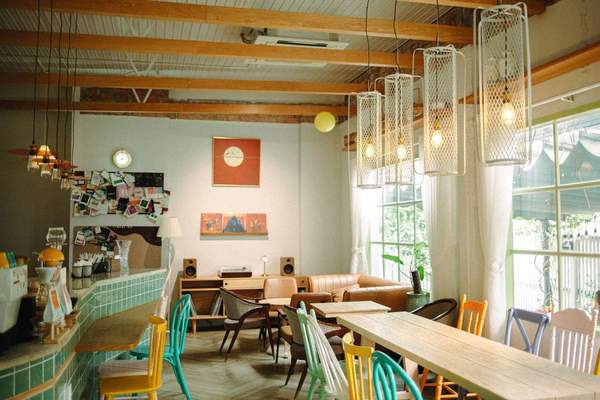
The most convincing rooms rarely look as though every item arrived on the same delivery van. A clean-lined sofa beside a timeworn side table, or a contemporary dining table surrounded by old timber chairs, creates warmth and personality. That is the appeal of learning how to mix vintage and modern furniture: the room feels useful for life now, yet connected to objects with age, craft and a story.
The goal is not to divide a room into “old” and “new” sections. It is to create enough visual links that pieces from different periods feel like they belong to the same home.
Start With the Mood, Not a Furniture Ratio
Rules such as an 80/20 split can help, but first decide how you want the room to feel. A calm modern space may need only one substantial vintage piece. A more expressive room can hold several older items, provided the palette and layout remain disciplined.
Choose three words before shopping or rearranging anything. “Warm, simple and tactile” might lead to a modern linen sofa, an old oak chest and softly textured lamps. These words become an editing tool when an attractive find does not suit the room.
Give One Era the Supporting Role
A successful vintage modern mix usually has a clear visual lead. In a contemporary flat, modern furniture can provide the practical foundation while vintage pieces add character. In a period property, original architecture and older furniture may lead, with modern seating and lighting preventing the space from feeling formal.
Choose one or two focal pieces, then let quieter furniture support them. A carved cabinet loses impact when it competes with an ornate table, patterned antique chairs and a heavily detailed mirror in the same sightline.
Repeat Colour, Material or Shape
Cohesion comes from repetition rather than matching. The warm tone of a vintage walnut cabinet might reappear in the legs of a modern armchair. A black metal lamp can connect with the dark handles on an old chest. Rounded modern upholstery can soften the straight edges of a vintage sideboard.
Colour is often the easiest bridge. Limit the room to a manageable palette, then allow variation within it. Avoid forcing every wood finish to match; a controlled mixture of pale, medium and dark timber often looks more natural than a room of near-identical stains.
Use Contrast Deliberately
Old and new furniture works because of contrast: smooth beside worn, minimal beside decorative, glossy beside matte. The mistake is making every pairing equally dramatic.
Let one contrast be obvious and keep the surrounding elements quieter. A sculptural modern chair can look striking beside a simple antique writing desk. Add a plain rug and restrained lamp rather than another attention-seeking piece. Good eclectic furniture styling depends as much on editing as collecting.
Check Scale Before Style
Furniture from different eras can have very different proportions. Modern sofas may be deeper than vintage occasional chairs, while older storage can be tall and visually heavy. A room looks “off” more often because the scale is unbalanced than because the styles are incompatible.
Compare the height, width and visual weight of neighbouring pieces. A delicate vintage chair beside a deep modular sofa may need a substantial floor lamp or side table nearby to stop it disappearing. Mark large pieces on the floor with masking tape and check walking routes before buying.
Create a Real-Life Pairing
Imagine a living room with a neutral modern sofa, plain walls and a simple media unit. It is functional but lacks identity. Add a 1960s teak sideboard opposite the sofa. Place a contemporary ceramic lamp on top, hang a large modern print above it and add one older brass candlestick rather than a row of small vintage objects.
Next, bring in a vintage occasional chair, reupholstered in a durable fabric that relates to the sofa. Finish with a modern rug large enough to hold the front legs of both seats. The old pieces provide character; the new elements control the palette and make the arrangement comfortable.
Update Vintage Pieces Without Erasing Them
Restoration should make an item safe and usable while respecting the features that give it character. Tighten joints, repair drawers, replace unsafe wiring and clean surfaces carefully. Reupholstery can transform a chair, but consider keeping distinctive timber or metalwork visible.
Not every mark is valuable patina. Water damage, unstable construction and strong odours require honest assessment. Ask a professional before sanding a potentially important piece or applying modern products to an unfamiliar finish.
Buy for Provenance and Usefulness
One-off pieces are appealing partly because they are not anonymous, but sellers do not always know an item’s full history. Ask about the maker, materials, approximate period, repairs and previous ownership. Look for labels, stamps and construction details, while treating confident claims without evidence cautiously.
More importantly, buy something that solves a real need. A beautiful cabinet that cannot fit through the hallway or store what you own will become an expensive obstacle. Collected home decor feels authentic when pieces earn their place through function, memory or genuine delight.
Know When to Stop
Mixing styles can turn into visual noise when every surface carries a story. Leave empty areas around the strongest pieces and vary the density across the room. A vintage table may need only a modern lamp and a small bowl.
Photograph the room from the doorway and view the image in black and white. This removes the distraction of colour and reveals whether one side feels too heavy or too many detailed objects are competing. Edit one item at a time rather than buying more to fix the problem.
Related Styling Guides
Natural next steps include choosing a cohesive home colour palette, arranging furniture in a small living room and styling shelves without clutter. These topics help create the structure that allows old and new pieces to work together.
Frequently Asked Questions
Can you mix more than two furniture eras in one room?
Yes. Use a consistent palette, repeat a few materials and establish a clear focal point. One period can lead while the others add contrast.
Do all wood tones need to match?
No. A mixture often looks more collected. Repeat important tones elsewhere and avoid placing several nearly matching finishes together. Clear contrast usually appears more deliberate than an imperfect match.
How can modern furniture stop an antique room feeling dated?
Add clean-lined seating, contemporary lighting or a simple rug. Modern pieces create visual breathing space and improve comfort without removing historic character.
What is the easiest vintage item to introduce first?
A side table, mirror, lamp or occasional chair is a manageable starting point. It adds age and individuality without forcing you to redesign the entire layout.
A Home That Looks Collected, Not Contrived
The secret to mixing vintage and modern furniture is not finding a perfect formula. It is choosing pieces with purpose, connecting them through colour or material, and controlling scale and visual weight. Let modern furniture support present-day comfort while older pieces contribute texture, workmanship and history. With enough repetition to create harmony and enough contrast to stay interesting, the result feels personal rather than mismatched: a home assembled thoughtfully over time.