A smart home can sound more complicated than it really is. The phrase brings to mind glowing control panels, voice assistants answering every question, and rooms that seem to know what you want before you do. In real life, though, smart home automation usually starts much more simply. A lamp turns on at sunset. A thermostat lowers itself when you leave. A doorbell sends a notification when someone is outside. Small things, mostly, but useful ones.
That is the best way to think about smart home automation for beginners. It is not about filling your house with gadgets overnight. It is about choosing a few practical tools that make daily life easier, safer, or more efficient. Once you understand the basics, the whole idea feels less like a tech project and more like setting up helpful routines around the way you already live.
What Smart Home Automation Really Means
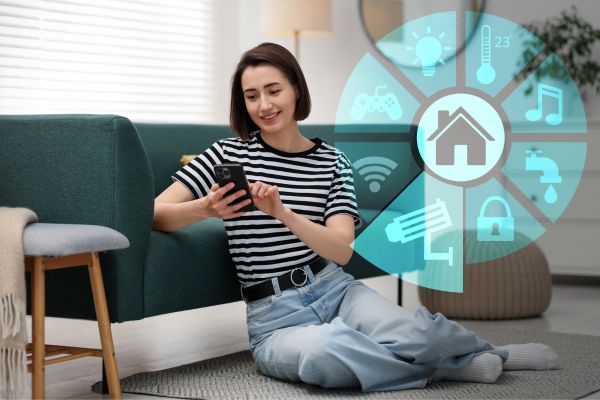
Smart home automation means using connected devices to perform tasks automatically or through simple controls. These devices may respond to voice commands, schedules, motion, temperature, location, or activity. Instead of manually switching everything on and off, your home can handle certain actions in the background.
For example, a smart light can turn on when you walk into a hallway. A smart plug can shut off your coffee machine after a set time. A smart lock can alert you if the door was left unlocked. None of these actions are especially dramatic, but they solve tiny problems that happen every day.
The “automation” part is important. A smart device you control only through an app is convenient, but automation takes it further. It lets the device act based on a rule you create. Once that rule is set, you do not have to think about it again unless your routine changes.
Start With One Everyday Problem
The easiest mistake beginners make is starting with devices instead of needs. It is tempting to buy smart bulbs, cameras, plugs, sensors, and speakers all at once. Then comes the real problem: too many apps, too many settings, and not enough clarity about what anything is supposed to improve.
A better approach is to start with one everyday problem. Maybe lights are often left on in empty rooms. Maybe you want the house to look occupied when you are away. Maybe your energy bill feels too high. Maybe you want to check the front door without getting up.
When you begin with a real problem, the right device becomes easier to choose. You are not buying technology for its own sake. You are adding a small layer of convenience or control where it actually matters.
Choose a Main Smart Home Platform
Most smart homes work through a main platform or ecosystem. This is the system that connects your devices and lets them work together. Common options include voice assistants, phone-based home apps, smart hubs, and device-specific ecosystems.
For beginners, the main thing is compatibility. Before buying a device, check whether it works with the platform you plan to use. If your speaker, lights, plugs, and thermostat all support the same system, setup is usually smoother. If every device belongs to a separate app with limited compatibility, automation becomes more frustrating.
You do not need to understand every technical detail at the start. Just choose one primary way to control your home, then build around it. That decision alone prevents a lot of confusion later.
Begin With Smart Lights
Smart lighting is often the friendliest entry point because it is easy to understand and immediately useful. You can start with a single smart bulb, a smart switch, or a smart plug connected to a lamp.
A bedroom lamp can fade on in the morning. Porch lights can switch on at sunset. Hallway lights can turn off automatically after a few minutes. These are simple automations, but they quickly show why people like smart homes.
Smart bulbs are easy to install, but smart switches may be better for rooms with ceiling lights used by multiple people. If someone turns off a regular wall switch connected to a smart bulb, the bulb may lose power and stop responding. A smart switch avoids that issue, though installation can be more involved.
Use Smart Plugs for Simple Control
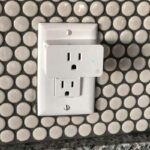
Smart plugs are another beginner-friendly option. They sit between the wall outlet and the device you want to control. Once connected, you can turn that device on or off through an app, voice command, or schedule.
They work well for lamps, fans, chargers, holiday lights, and small appliances that have a simple on-off function. They are also helpful for cutting standby power from electronics that do not need to stay active all day.
A smart plug will not make every appliance “smart.” If a device requires pressing buttons after power returns, a plug may not control it properly. But for basic devices, smart plugs are affordable, flexible, and easy to move around as your needs change.
Add Comfort With a Smart Thermostat
A smart thermostat can be one of the most practical upgrades in a home, especially where heating or cooling is used often. It can follow a schedule, adjust when you are away, and help avoid running the system harder than necessary.
For beginners, the value is comfort without constant manual adjustment. You can set the home to warm up before you wake, ease back while you are out, and return to a comfortable level before evening. Over time, those small adjustments may also help reduce wasted energy.
Before buying one, check whether your heating and cooling system is compatible. Thermostats can be more technical than bulbs or plugs, so it is worth reading the setup requirements carefully.
Think About Security Without Overdoing It
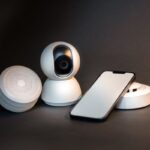
Smart security devices are popular, but they should be chosen thoughtfully. Video doorbells, smart locks, motion sensors, and cameras can add awareness and convenience. They can also create too many notifications if they are not set up properly.
A good beginner setup might include a video doorbell or a smart lock, depending on what you need most. A doorbell helps you see visitors and deliveries. A smart lock can let you check whether the door is locked and, in some cases, create temporary access codes.
The goal is not to watch every corner of your home all day. It is to reduce uncertainty. Good smart security should make you feel more settled, not more anxious.
Create Simple Automations First
Once you have a few devices, start with basic automations. Keep them tied to natural moments in your day. Morning, bedtime, leaving home, arriving home, and sunset are useful triggers.
A morning routine might turn on a lamp and adjust the thermostat. A bedtime routine might switch off downstairs lights and lock the door. An away routine might turn off plugs and lower heating or cooling. These small routines are often more valuable than complicated setups with too many conditions.
Simple automations are also easier to fix. If something goes wrong, you can quickly understand which device or rule needs attention.
Keep Your Wi-Fi Strong and Organized
Smart devices rely on a stable connection. If your Wi-Fi is weak, your smart home will feel unreliable. Devices may respond slowly, drop offline, or fail to follow routines.
Place your router in an open location when possible, and avoid hiding it behind large objects or inside cabinets. If your home is large, a mesh Wi-Fi system may help improve coverage. It is also wise to give your smart home devices clear names, such as “Bedroom Lamp” or “Front Door Lock,” so voice commands and app controls are easier to manage.
A smart home does not need perfect internet every second, but it does need a dependable foundation.
Protect Privacy From the Beginning
Privacy should be part of smart home automation for beginners, not something added later. Connected devices can collect data about routines, voice commands, video, movement, and usage patterns. That does not mean you should avoid smart tech completely, but it does mean you should set it up carefully.
Use strong passwords and enable two-factor authentication when available. Keep apps and devices updated. Review microphone and camera settings. Turn off features you do not need. If a device has privacy controls, take a few minutes to understand them.
Also, be selective. A smart bulb in a hallway is different from a camera in a private room. The more sensitive the device, the more carefully it should be placed and managed.
Let the System Grow Slowly
A smart home is better when it grows naturally. After your first few devices, you will start noticing where automation would actually help. Maybe the bathroom fan should run on a timer. Maybe outdoor lights should follow sunset. Maybe a leak sensor near the washing machine would bring peace of mind.
There is no need to rush. Slow growth keeps the system understandable and prevents clutter. It also helps you learn which features you really use and which ones sound interesting but do not matter much in daily life.
Conclusion
Smart home automation for beginners works best when it starts small, practical, and personal. You do not need a house full of devices to feel the difference. A few smart lights, a useful plug, a thermostat routine, or a simple security upgrade can make everyday life smoother without making the home feel complicated.
The real purpose of smart automation is not to show off technology. It is to remove small frictions from the day. Lights remember what people forget. Thermostats adjust without constant checking. Doors, plugs, and sensors quietly add a bit more control. When chosen with care, smart tech does not take over the home. It simply helps it work a little more thoughtfully.