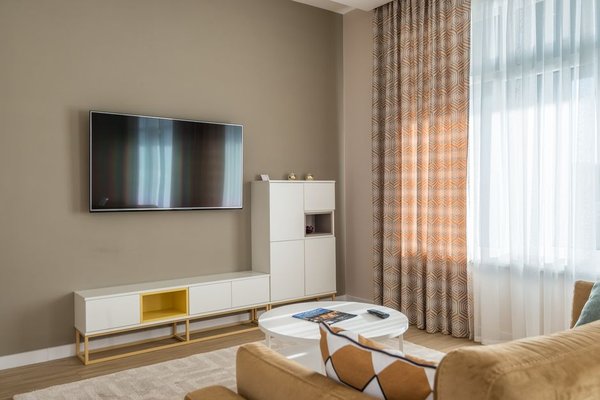
A living room might be a home office by nine, a place to unwind by six, and a gathering spot on weekends. The challenge is not squeezing three separate rooms into one. It is making each activity comfortable without leaving evidence of the last one everywhere. The best multipurpose living room ideas begin with your daily routine, not a furniture catalogue.
Decide what must stay put, what can move, and what should disappear when an activity ends. A flexible living room layout usually depends on a few deliberate choices rather than more furniture.
Plan for Transitions, Not Just Zones
Observe the room’s busiest moments before moving furniture. Does someone take video calls while another person watches television? Do children use the coffee table for homework? How often do guests visit? These answers reveal which functions need dedicated spots and which can share space.
Choose a home base for each activity
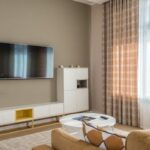
Make the sofa and its nearby lamp the relaxation anchor. Identify a compact work surface and an open area for visitors or hobbies. A rug can define the sitting zone, while a desk near a window suggests a workspace without blocking the room.
Walk from the doorway to the sofa with everything in its everyday position. Keep that route clear even when chairs move. A layout that requires a major rearrangement several times daily becomes frustrating quickly.
Choose Furniture That Changes Roles
Nesting tables hold drinks during movie night and become separate surfaces when friends arrive. A storage ottoman can contain blankets and act as a footrest; use it as extra seating only if its construction allows. Neither piece needs much permanent floor space.
Keep larger furniture relatively stable. Arrange the sofa for conversation as well as television viewing, then let lightweight chairs and side tables handle changes. Measure door swings and drawer clearance. For compact homes, small living room layout ideas that favour one comfortable sofa over several bulky chairs can free valuable space.
Build a Work From Living Room Setup That Closes
A laptop balanced on your knees is rarely comfortable for regular work. Use a stable table, supportive chair, and screen position that avoids awkward neck angles. An external keyboard or monitor may improve comfort when there is room.
Place the desk where people are unlikely to walk behind video calls. Side-on daylight is often easier to control than a bright window behind your screen. Secure cables away from walking routes.
Try a five-minute end-of-day reset
Imagine working in the lounge until 5 p.m. A slim desk sits behind the sofa, with a lidded box holding the laptop, charger, notebook, and headset. At quitting time, everything goes into the box and the task light goes off. The desk becomes a quiet console rather than the room’s main focus.
If there is no space for a desk, reserve one end of a table for work and store equipment together nearby. The goal is an easy transition, not an invisible office.
Layer Lighting for Different Activities
One bright ceiling fixture rarely suits work, relaxation, and entertaining equally well. Add a focused desk lamp and softer light by the sofa. Independent switches let you brighten one area without illuminating everything.
For guests, use warm indirect light around seating so everyone can see one another comfortably. Dimmable fixtures help, but separate lamps work too. Living room lighting ideas focused on layers can guide future improvements.
Give Everyday Clutter a Place to Go
A multi use living room remains flexible only if resetting it is simple. Keep headphones by the desk, craft supplies in a nearby cupboard, throws in a basket, and serving pieces near the seating area. Storage in another room is less likely to be used consistently.
Closed cabinets hide visual noise; a few open shelves display favourite objects. Shared households might give each person a labelled container. Sort belongings first and then buy storage sized for what remains.
Entertain Without Rebuilding the Room
Position everyday seats so people can face one another without twisting toward the television. Pull lightweight chairs closer when visitors arrive and separate nesting tables for snacks. Leave a clear surface for drinks.
If overnight guests are common, consider a sofa bed, but measure it fully extended to check walking space. A folding screen can offer visual privacy, although it will not block sound.
Adapt the Layout to Your Room’s Shape
Long, narrow rooms
Keep a circulation route along one side rather than through the centre of the seating group. Place a small desk at the far end if possible. Low cabinets preserve sightlines better than tall dividers.
Square rooms
If space allows, float the sofa away from the wall to create a narrow workspace behind it. Alternatively, choose one corner for work and angle a chair toward the sofa. Test furniture footprints with painter’s tape first.
Open-plan rooms
Repeat colours and materials between the work and sitting areas. Rugs and separate lighting create zones without partitions. Soft furnishings may reduce echoes, but they cannot make an open workspace soundproof.
Avoid Common Flexibility Mistakes
Too many small pieces become obstacles, while too much open storage keeps every activity on display. Avoid furniture that claims several purposes but performs none comfortably. A desk too small for your equipment or an oversized sofa bed can make daily routines harder.
After a workday and an evening with guests, ask what needed moving twice and what ended up on the floor. Fix those friction points before purchasing anything else. Flexible spaces improve through real use, not a perfect diagram.
Frequently Asked Questions
How do I make a small living room multifunctional?
Keep a comfortable seating anchor, choose movable tables, and provide closed storage for work or hobby supplies. Protect a clear walking route and measure furniture before purchasing.
Can a living room office still feel relaxing?
Yes. Define a small work area, give it separate task lighting, and put equipment away at day’s end. A closing routine can change the mood even when the desk remains visible.
How can I divide my living room into zones?
Use furniture orientation, a rug, and separate lighting to distinguish activities without blocking daylight. Choose a movable screen only when visual privacy is useful.
How do I seat guests without extra permanent chairs?
Store lightweight folding or stackable seats nearby and bring them out as needed. Test the arrangement to ensure chairs do not block doors or walking routes.
Make Room for Real Life
A successful shared living space needs dependable comfort, quick transitions, and sensible storage, not constant rearranging. Begin by improving the most awkward change in your daily routine. The result can support work, downtime, and company while still feeling like home.