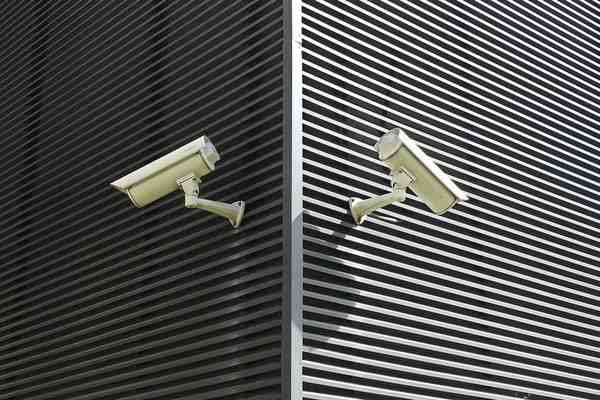
A camera can show your entire front yard and still miss the detail that matters: someone approaching the door. Effective home security camera placement is less about watching every square foot than capturing useful views of entrances, routes and vulnerable corners. A well-positioned camera should help you understand what happened, not leave you squinting at a distant silhouette.
Before buying additional equipment, check what your existing cameras record. Small changes in angle, height or lighting often do more for coverage than another wide-angle view. The goal is to connect important areas without unnecessarily filming neighbours or private household spaces.
Start With Routes, Not Camera Counts
Walk around your property as a visitor would. Note the front path, driveway, side gate, back door and any route hidden by a garage or fence. Decide what each camera needs to capture: an approaching person, activity at a doorway or movement around a vehicle.
Think in two layers. An overview camera shows where someone came from; a closer view shows useful details at a doorway or gate. One camera rarely does both equally well. Test actual recordings rather than assuming a high-resolution specification guarantees recognisable faces at a distance.
Where to Place Security Cameras Outdoors
Front Door and Porch
The front entrance is a priority because it concentrates deliveries, visitors and everyday arrivals. Position a video doorbell or nearby camera so people approaching the threshold remain visible, including when they stand close to the door. Check whether porch pillars, door frames or hanging decorations obstruct the view.
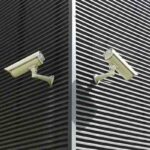
Avoid pointing a wall-mounted camera almost straight down from a high roofline. You may capture someone’s hat but little of their face. A modest downward angle is often more useful.
Back and Side Doors
Back doors and side entrances deserve attention, particularly if fences or landscaping conceal them from the street. Aim along the approach to the door rather than simply at the door panel. This may show someone moving toward the entrance before they reach it.
Where a narrow passage connects the driveway to the garden, place the camera so it sees people entering the passage. Check that its field of view includes the gate latch.
Driveways and Garages
Driveway cameras work best when they capture parked vehicles and the paths people take to reach them. A view aimed at the street may cover a lot of scenery while missing activity beside a car.
A camera on the garage facing the driveway can provide an overview. If identifying visitors near a gate matters, consider a tighter view. Do not assume a general-purpose wide-angle camera will reliably capture vehicle registration plates, especially at night.
Gates, Yards and Blind Corners
Outdoor camera placement should account for fencing, sheds, trees and building corners. A backyard camera may cover a patio yet leave the side gate outside its view. Look for these camera blind spots while walking routes around the house.
Where practical, give important approaches overlapping coverage. Do not try to eliminate every unseen patch of lawn. Prioritise places where someone could enter, linger or access a door or window.
Where Indoor Cameras Make Sense
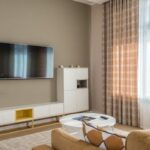
Indoor security cameras can supplement outdoor coverage by watching a main entry hall, shared ground-floor passage or access to a garage. Point them toward entry routes rather than seating areas where people spend private time. One hall-facing camera may be more appropriate than several cameras scattered through living spaces.
Avoid bedrooms, bathrooms and other places where people expect privacy. Discuss indoor recording with everyone who lives in the home, and consider guests or workers. Door sensors or motion detectors may be less intrusive alternatives.
Adjust Height, Angle and Night Visibility
Camera height is a trade-off. Mount too low and a device may be easy to reach or obstruct; mount too high and faces become difficult to recognise. Follow the manufacturer’s guidance, then check footage from the spot where a person would approach. There is no perfect height for every lens or building.
Watch for sunlight shining into the lens, bright porch lights overwhelming darker areas and infrared reflections from walls or glass. Test night vision: a clear daytime picture can become blurry when someone walks through a dark driveway. Clean lenses and trim obstructing foliage where appropriate.
Check Wi-Fi strength or wired connectivity at the mounting position, along with power and recording reliability. A great angle is useless if the camera disconnects.
Test Coverage With a Real Walk-Through
Before drilling permanent holes, temporarily position the camera safely. Ask another household member to walk from the pavement to the front door, around a parked car and through the side gate. Record the test in daylight and after dark.
Review the recorded video on a normal screen. Can you tell which direction the person travelled? Are they visible near the car door? Does the camera miss them beneath the porch? If the driveway camera loses the person behind an SUV, shifting it sideways may solve the problem more effectively than raising it.
Repeat the walk-through after adjusting motion zones and notifications. Detection alerts are not the same as usable footage, so check both.
Protect Privacy Alongside Security
Keep cameras focused on your property wherever possible. Use privacy masks to exclude neighbouring windows, gardens or unnecessary pavement. Rules vary by location; in the UK, recording identifiable people beyond your property boundary can bring data protection obligations. Check local rules before installing cameras that overlook shared areas.
Protect stored footage too. Use unique passwords, enable two-factor authentication when available, update camera software and restrict recording access. The US Federal Trade Commission also advises securing your home network and checking encryption features. Review audio settings separately because recording sound can raise additional concerns.
Frequently Asked Questions
What is the best place for a home security camera?
Start with the main entrance, then assess other accessible doors, the driveway and concealed side routes. The best position records the specific activity you need to see clearly.
Should security cameras point at windows?
Usually, focus on the approach to a window rather than recording through it. Glass can cause infrared reflections, and filming interiors creates privacy concerns.
How do I reduce camera blind spots?
Walk each access route while checking recordings. Re-aim cameras, remove suitable obstructions or add a complementary view at a critical corner. Test again after changes.
Are indoor cameras necessary if I have outdoor cameras?
Not always. Outdoor cameras may cover the important access points. Indoor coverage is optional and should be weighed against privacy and alternatives such as entry sensors.
Make Every View Earn Its Place
The strongest setup is not necessarily the one with the most cameras. Begin with entrances and movement routes, use closer views where detail matters and test recordings under ordinary conditions. Balancing coverage, reliability and privacy makes each camera serve a purpose instead of merely adding another feed.