Walk into an old house with original hardwood and you can usually tell within about three seconds whether someone’s taken care of those floors. There’s a certain warmth to wood that’s been properly maintained, a depth you just don’t get from anything synthetic. More often than not, that warmth comes from refinishing floors at some point along the way, not from the original finish somehow surviving decades of foot traffic untouched.
If your hardwood is looking tired, scratched, or just kind of dull, here’s why refinishing is usually worth it.
It’s Dramatically Cheaper Than Replacement
Ripping out hardwood and installing new flooring is expensive. It’s also messy and takes way longer than most people expect.
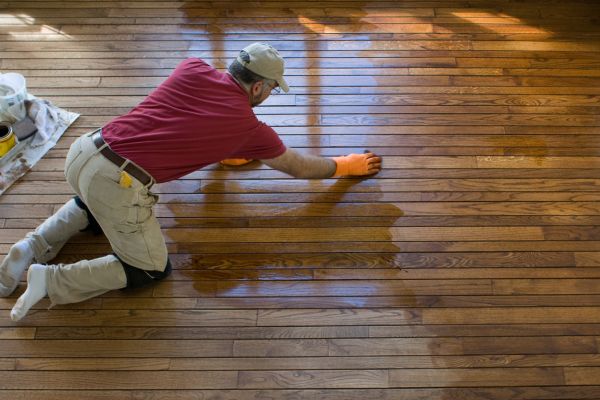
Hardwood refinishing works with what’s already there instead of starting over. You’re sanding down the existing wood and applying a fresh finish, not tearing everything out and replacing it from scratch. For a fraction of the cost of full replacement, you get floors that look essentially new, which is exactly why so many homeowners choose refinishing over replacement in the first place, especially in older homes where the original wood is often higher quality than what you’d find in a lot of new flooring sold today.
It Extends the Life of Wood That’s Already Proven Itself
Old hardwood has usually earned some trust. If it’s survived fifty or sixty years of foot traffic, furniture drags, and the occasional dropped skillet, it’s probably solid wood all the way through, not the thin veneer you find in cheaper modern flooring.
Refinishing floors like this isn’t just cosmetic.
It’s protecting an asset that’s already proven it can last, and sanding down the top layer removes years of scratches and buildup while leaving enough wood underneath for the floor to be refinished again down the road, sometimes multiple times over the decades. That’s a level of longevity you just don’t get with most modern flooring materials, which usually can’t be sanded and refinished at all once they start to wear.
It Fixes Damage You Might Assume Is Permanent
Water stains. Deep scratches from moving furniture without pads. Sun fading that’s turned one section of the room a slightly different shade than the rest.
A lot of homeowners look at damage like this and assume the floor is done for. It isn’t. Hardwood refinishing can sand away most surface-level damage entirely, and water stains that look permanent often disappear once the top layer gets sanded down. Scratches vanish. Even significant discoloration usually comes out, revealing wood underneath that looks nothing like the tired surface you were staring at before.
You Get to Change the Look Without Changing the Floor
Refinishing isn’t just about restoring what was already there.
It’s also a chance to change direction entirely. Maybe the original stain was too orange, too yellow, too whatever your taste has evolved past by now. Refinishing floors gives you the option to go darker, lighter, more matte, more glossy, basically whatever fits the room now instead of whatever fit it thirty years ago. This is a bigger deal than people expect, honestly. A stain color shift alone can make a room feel completely different, almost like new flooring was installed, without any of the cost or disruption of actually replacing it.
It’s Better for the Environment Than Replacement
Tearing out old hardwood generates a lot of waste. Manufacturing new flooring has its own environmental footprint too, from the trees harvested to the energy used in production and transport.
Refinishing sidesteps most of that by reusing material that already exists instead of consuming new resources. If sustainability matters to you at all, hardwood refinishing is generally the more responsible choice, since it keeps usable material out of landfills and avoids the resource cost of manufacturing something new when the old thing was never actually the problem in the first place.
It Boosts Home Value in a Way Buyers Notice Immediately
Real estate agents will tell you the same thing over and over: hardwood floors sell houses.
Buyers walk in, see scuffed, dull, or heavily worn wood, and mentally start subtracting money from their offer before they’ve even finished the tour. Refinishing floors before listing a home is one of the more reliable ways to recover that value, often at a return that outpaces the cost of the work itself. Even outside of selling, freshly refinished hardwood just makes a home feel more put together in a way that’s hard to fake with anything else. It’s one of those upgrades that doesn’t scream for attention but quietly elevates everything else in the room around it.
It’s Faster Than Most People Expect
There’s a common assumption that refinishing means weeks of disruption. For most homes, the process actually wraps up in a matter of days.
Sanding usually takes a day or two depending on the square footage, and then there’s drying time between coats of finish on top of that. It’s inconvenient for a short stretch, sure, but it’s nowhere near the timeline of a full flooring replacement, which can drag on for weeks once you factor in demolition, material delays, and installation.
It Handles High Traffic Areas Better Than People Assume
Hallways, entryways, kitchens. These are the spots that take the most abuse over the years, and people tend to assume once a high traffic area looks this worn down, it’s basically done for good.
But hardwood refinishing is actually really effective at restoring exactly these spots, because the wear that builds up from years of foot traffic sits almost entirely in the finish layer. Sanding removes it along with everything else, leaving the area looking as fresh as the rest of the room.
It Gives You a Chance to Address Squeaks and Minor Structural Issues
While a professional is already working on your floors, it’s often a good moment to deal with small structural annoyances too, like loose boards or minor squeaks that tend to get overlooked during normal life but come up naturally during a refinishing job since the flooring is already exposed and being worked on directly anyway. Fixing them at the same time saves you from dealing with a separate repair down the line.
It Pairs Well With Other Renovation Work
If you’re already remodeling a kitchen, updating trim, or repainting a room, refinishing floors at the same time tends to be more efficient than doing it as a standalone project later.
Dust and disruption from other renovation work is already happening anyway.
Folding the floor work into that same window means less overall mess spread across separate projects, and often better scheduling with contractors who are already on site and familiar with the house.
For a lot of homeowners, hardwood refinishing ends up being one of those projects that pays for itself in ways beyond the obvious. The floors look better, sure, but there’s also the added home value, the environmental upside of reusing what’s already there, and the simple fact that fixing what exists is almost always more practical than tearing it out and starting from scratch.