Cheap home decor ideas work best when they do more than fill an empty corner. Rooms that look expensive usually rely on good scale, a restrained palette, useful texture, and thoughtful placement. You do not need designer prices to create that effect. With a $50 ceiling for each update, focus on details that look intentional rather than obviously “budget.”
A good rule is to spend less on quantity and more on visual impact. One well-scaled lamp, framed print, or textured throw can improve a room more than several tiny accessories. The following budget decor ideas are designed for living rooms, bedrooms, entryways, and other everyday spaces.
Start With the Details Your Eye Notices First
Swap Pillow Covers Instead of Whole Pillows
If your inserts are still comfortable, replace only the covers. Linen-look cotton, velvet, boucle, woven stripes, and subtle checks can add texture without much expense. Choose two or three related colors and avoid thin novelty prints if you want a more polished result.
Choose One Oversized Vase
A single ceramic, glass, or stone-look vase can create a stronger focal point than several small objects. Thrift stores and clearance aisles are useful here. If the finish feels dated, a simple paint update can give an inexpensive vase a calmer, more contemporary look.
Frame Inexpensive Art Properly
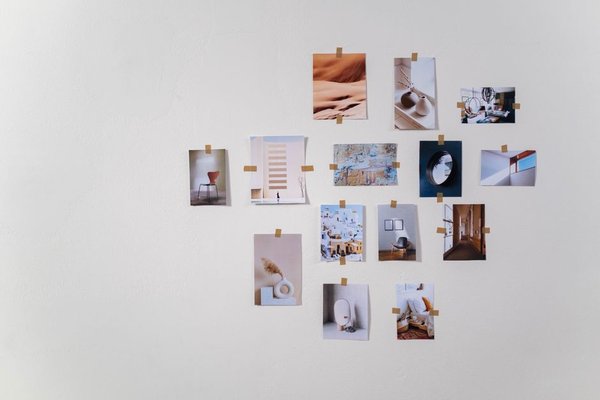
Artwork often looks more expensive because of the frame. Personal photos, printable art, postcards, or fabric remnants can feel gallery-ready in simple frames with generous mats. Repeating black, warm wood, or soft brass frames helps separate pieces feel connected.
Upgrade a Lampshade
A tired shade can make an attractive lamp look cheap. A clean drum, tapered linen-look, or pleated shade can change the silhouette for far less than replacing the lamp. Check the fitter type and dimensions before buying so the shade sits in proportion to the base.
Add Texture Without Adding Clutter
Bring In a Textured Throw
A chunky knit, brushed cotton, waffle weave, or lightweight woven throw can make a sofa or bed feel layered. Fold it neatly over an arm or across the foot of the bed. Controlled placement helps affordable home accents look purposeful instead of messy.
Use Baskets for Visible Storage
A woven basket can hide toys, blankets, charging cables, or entryway clutter while adding natural texture. Choose one large enough for the job. Several undersized baskets can make a room look busier, while one properly scaled basket usually feels cleaner.
Try a Small Rug in a High-Impact Spot
A large living-room rug may exceed the budget, but smaller washable or flat-weave rugs can work beside a bed, in an entry, or at a kitchen sink. Simple borders, muted patterns, and low-contrast designs are easier to combine with existing furniture.
Make Existing Furniture Look More Finished
Replace Basic Knobs and Pulls
New hardware can refresh a dresser, nightstand, cabinet, or console without changing the furniture itself. Simple metal pulls, rounded knobs, or understated wood hardware work well. Measure existing hole spacing before shopping so you can avoid unnecessary drilling.
Style a Tray as One Visual Unit
A tray turns unrelated everyday objects into a purposeful arrangement. Use one on a coffee table, dresser, bathroom counter, or kitchen island to group a candle, small vase, and useful item. The boundary helps the collection read as styling instead of clutter.
Use Peel-and-Stick Material Selectively
Removable wallpaper or peel-and-stick film can be effective in a small area. Try the back of a bookcase, a cabinet interior, a narrow niche, or a tabletop rather than covering an entire room. Small applications cost less and are easier to keep visually controlled.
Use Repetition to Create a More Expensive Look
Repeat One Finish Around the Room
If you introduce black metal, warm brass, light oak, or dark walnut, repeat it in two or three places such as a frame, lamp, tray, or accessory. The pieces do not need to match exactly. Repetition simply makes the choices feel deliberate.
Refresh a Small Object With Paint
A small amount of paint can transform a frame, stool, planter, shelf bracket, or thrifted accessory. Matte black, warm white, muted green, clay, or soft taupe can modernize a dated piece. Clean and prepare the surface properly so the finish looks neat and lasts.
A Practical $50 Room Refresh
Imagine a living room with a neutral sofa that feels unfinished. Instead of buying a bag of cheap accessories, keep the existing pillow inserts and add two textured covers, a thrifted vase, and a framed personal photo or inexpensive print. If the budget allows, add a small tray or use leftover paint to refresh something you already own.
The exact prices will vary by store and location, but the strategy is reliable: improve scale, texture, framing, and repetition before adding more objects. That approach makes decor on a budget feel intentional instead of crowded.
If this refresh is part of a bigger makeover, plan around arranging furniture in a small living room, decorating a living room on a budget, and choosing paint colors that work with existing furniture. That keeps new purchases aligned with the room.
What to Skip When Shopping Cheap
Not every low-priced accessory is a bargain. Skip pieces that are badly scaled, visibly flimsy, hard to clean, or so trend-specific that you will want to replace them quickly. Avoid buying matching sets simply because they are convenient; a room often looks more collected when objects share a color, material, or shape without being identical.
Before checking out, ask where the item will go and what problem it solves. If you cannot name the spot, wait. That habit prevents impulse purchases and leaves more of the budget for pieces that actually improve the room.
Frequently Asked Questions
How can I make cheap home decor look expensive?
Focus on scale, texture, simple finishes, and repetition. Fewer, larger pieces often look more intentional than many tiny accessories. Coordinated frames, pillow fabrics, and repeated wood or metal finishes also help inexpensive items feel cohesive.
What should I buy first when decorating on a budget?
Start with the room’s biggest visual gap, such as poor lighting, an empty wall, worn pillow covers, or cluttered storage. Fixing one obvious issue usually creates more impact than buying several decorative items without a plan.
Are thrift stores good for affordable home accents?
Yes. Frames, lamps, baskets, mirrors, vases, trays, and small wood furniture can be strong secondhand buys. Check for damage, odors, loose parts, and unsafe electrical components before bringing anything home.
How do I keep budget decor from looking cluttered?
Leave some surfaces partly empty, group small objects on trays, repeat a limited palette, and vary height instead of filling every inch. Editing is part of decorating, and removing one unnecessary item can improve a vignette as much as adding something new.
Spend for Impact, Not for More Stuff
A polished home is rarely about having the most accessories. It is about choosing details that support the room you already have. Under-$50 updates can make a meaningful difference when they improve proportion, texture, organization, or cohesion. Start with one visible problem, make one intentional change, and build from there. The result can feel considered, personal, and far more expensive than the price tag suggests.