A reliable guttering system is one of the most important yet frequently overlooked parts of a property. While gutters may not be the most noticeable architectural feature, they perform an essential protective function by controlling rainwater and directing it away from walls, foundations and landscaping.
Choosing the right system requires more thought than simply selecting a colour or style that matches the exterior of your home. The correct solution depends on several factors, including roof dimensions, local weather conditions, material durability and the efficiency of the overall drainage network. Whether you are replacing old gutters or installing a system for a new build, understanding the available options can help you make a more informed decision.
For homeowners beginning their search, exploring suitable Rainwater & Guttering supplies from William Hercock can provide a clearer understanding of the different components required, from gutter channels and fittings to downpipes and drainage connections.
Why a suitable guttering system matters for your home
A guttering system acts as a controlled pathway for rainwater. Without effective water management, rainfall can overflow from roof edges and create a variety of structural problems.
Excess water around a property can contribute to damp walls, damaged brickwork, mould growth and deterioration of foundations. Over time, repeated exposure to uncontrolled water can become expensive to repair.
A well-designed guttering system helps prevent these issues by collecting rainfall from the roof and transferring it safely into a suitable drainage point. It also protects external features such as patios, driveways and garden areas from unnecessary erosion.
The importance of good guttering becomes particularly clear during periods of heavy rainfall. A system that cannot handle the volume of water produced by your roof may quickly become overwhelmed, causing leaks and overflow.
Understanding how guttering systems work
Although guttering appears simple, an effective system relies on several interconnected parts working together.
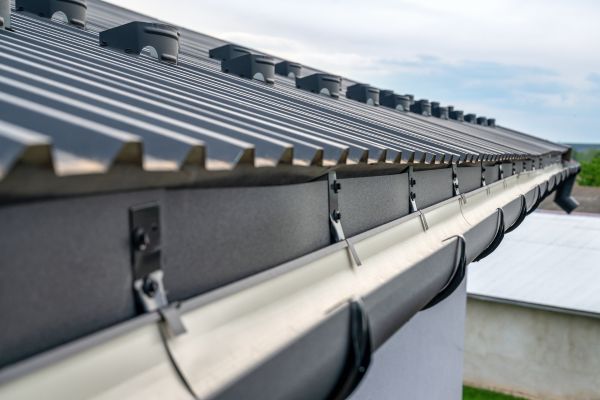
The main gutter channel sits along the roofline and collects water as it runs from the roof surface. This water is then directed towards outlets connected to downpipes. These vertical pipes carry the water down the side of the building before releasing it into a drainage system, soakaway or water collection solution.
Each component has a specific role. Gutters need sufficient capacity, downpipes need appropriate positioning, and joints need to be properly sealed to prevent leaks.
A poorly designed system can create bottlenecks where water accumulates rather than flowing efficiently. This is why choosing compatible components is just as important as selecting the main guttering material.
Assessing your home’s drainage requirements
Before choosing a guttering system, it is important to assess the specific requirements of your property.
Several factors influence the type of system needed:
- The size of your roof.
- The roof pitch.
- The average rainfall in your area.
- The number and location of downpipes.
- The surrounding drainage infrastructure.
A small residential property may only require a standard guttering system, while larger homes with extensive roof areas may need higher-capacity options.
Properties surrounded by mature trees may also require additional consideration. Falling leaves and organic debris can block gutters more quickly, making accessible maintenance and protective measures important.
Understanding your property’s individual characteristics helps prevent choosing a system that is either insufficient or unnecessarily oversized.
Different types of guttering materials available
The material used for guttering affects its appearance, lifespan, maintenance requirements and cost.
uPVC guttering
uPVC is one of the most popular guttering materials in the UK. It is lightweight, affordable and relatively straightforward to install.
The material is resistant to corrosion and requires minimal maintenance compared with traditional metal alternatives. It is available in various colours and profiles, making it suitable for many modern homes.
However, although uPVC offers excellent value, it may not provide the same longevity or traditional appearance as premium metal systems.
Aluminium guttering
Aluminium guttering provides a balance between durability and aesthetics. It is lightweight but stronger than many plastic alternatives.
It is resistant to rust and can be finished in a range of colours. Aluminium systems are often chosen for properties where homeowners want a long-lasting solution with a refined appearance.
Cast iron guttering
Cast iron is commonly associated with period properties, heritage buildings and traditional architecture.
It offers exceptional durability and a distinctive appearance. When properly maintained, cast iron guttering can last for many decades.
However, it is heavier than modern alternatives and usually requires more specialist installation.
Steel guttering
Steel guttering provides strength and resilience. Galvanised steel options offer improved protection against corrosion and can be suitable for properties exposed to challenging weather conditions.
The main consideration is ensuring the coating remains intact, as damaged areas may become vulnerable to rust.
Choosing the right gutter profile and shape
Guttering systems are available in several profiles, each offering different aesthetic and practical characteristics.
Half-round gutters
Half-round gutters are among the most common designs. Their curved shape allows water and debris to move efficiently through the channel.
They are suitable for many residential properties and offer a classic appearance.
Square gutters
Square gutters provide a larger capacity compared with some traditional profiles. They are often used where greater water flow management is required.
Their sharper design can complement contemporary homes.
Ogee gutters
Ogee gutters feature a decorative curved profile and are often selected for properties where appearance is a key consideration.
They combine traditional styling with modern manufacturing techniques.
The right profile depends on both practical requirements and the architectural character of your home.
Considering roof size, pitch and rainfall levels
The roof is the primary source of water entering your guttering system, so its characteristics must be carefully considered.
A larger roof surface collects more rainfall, meaning the gutter system must have enough capacity to handle increased water volume.
Roof pitch also influences water speed. Steeper roofs allow rainfall to travel faster towards the gutter, increasing the demand placed on the system.
Local weather patterns should also be considered. Areas that experience frequent heavy rainfall may require larger gutters or additional downpipes to improve drainage efficiency.
Choosing a system based purely on appearance without considering these factors can result in poor performance.
Understanding gutter capacity and water flow management
Gutter capacity refers to the amount of water a system can handle before overflow occurs.
A correctly sized gutter should collect rainfall efficiently without becoming overwhelmed during intense weather conditions.
The number of downpipes installed also affects performance. A long stretch of guttering with only one outlet may struggle to distribute water effectively.
Strategically positioned downpipes allow water to exit the system more quickly, reducing pressure on joints and connections.
Matching guttering with downpipes and drainage systems
A guttering system should always be considered as a complete network rather than individual components.
The gutter, downpipes and drainage connections must work together.
Installing high-capacity gutters but using inadequate downpipes can restrict water movement. Similarly, excellent guttering will not perform effectively if the final drainage point cannot manage incoming water.
Consider where water will be discharged and whether additional solutions, such as water butts or soakaways, could improve efficiency.
Common guttering installation mistakes to avoid
Incorrect installation can reduce the effectiveness of even the highest-quality guttering system.
Common mistakes include:
- Incorrect gutter slope.
- Poorly sealed joints.
- Insufficient brackets.
- Incorrect downpipe positioning.
- Choosing a system unsuitable for the roof size.
Gutters need a slight gradient to encourage water movement. If they are installed too flat, water can collect and create stagnant areas. If the angle is excessive, water may move too quickly and overflow.
Professional installation or careful preparation is essential to achieving reliable performance.
Maintenance requirements and long-term durability
Even the best guttering system requires regular maintenance.
Leaves, moss and debris can accumulate inside gutters, restricting water flow. Regular cleaning helps prevent blockages and reduces the likelihood of overflow.
Homeowners should inspect gutters periodically for cracks, loose fittings and signs of deterioration.
The required maintenance level often depends on the surrounding environment. Properties near trees may need more frequent attention than those in open areas.
A small amount of preventative care can significantly extend the lifespan of the system.
Improving property protection with effective rainwater management
A good guttering system contributes to the overall health of a property.
By controlling rainfall effectively, it helps protect external walls, foundations and landscaping. It also supports better moisture management around the building.
Modern drainage solutions can be integrated with environmentally conscious approaches, such as rainwater harvesting systems.
Effective water management is not only about preventing damage. It is about creating a balanced relationship between the building and its surroundings.
Cost considerations when choosing a guttering system
The cost of guttering varies depending on material, property size, installation complexity and additional components.
uPVC systems are generally more affordable, while materials such as aluminium and cast iron typically involve higher initial investment.
However, the cheapest option is not always the most economical over time. A durable system may require fewer repairs and replacements, offering better long-term value.
Homeowners should consider both immediate costs and future maintenance requirements when comparing options.
How to select the best guttering system for your home
The best guttering system is one that matches your property’s practical needs while complementing its design.
Consider:
- The roof dimensions.
- Local climate conditions.
- Desired lifespan.
- Maintenance expectations.
- Budget.
- Existing drainage arrangements.
A thoughtful approach ensures that the system performs effectively while maintaining the appearance of your home.
Final thoughts on making the right choice
Choosing a guttering system is an important investment in protecting your property from water-related damage.
The right solution depends on more than appearance alone. Material choice, capacity, installation quality and maintenance all influence long-term performance.
By assessing your home’s requirements carefully and selecting compatible components, you can create a drainage system that works efficiently throughout the year.
A well-designed guttering system may remain largely unnoticed, but its contribution to protecting your home is significant. It quietly manages one of nature’s most persistent forces, helping preserve the structure, appearance and value of your property for years to come.