
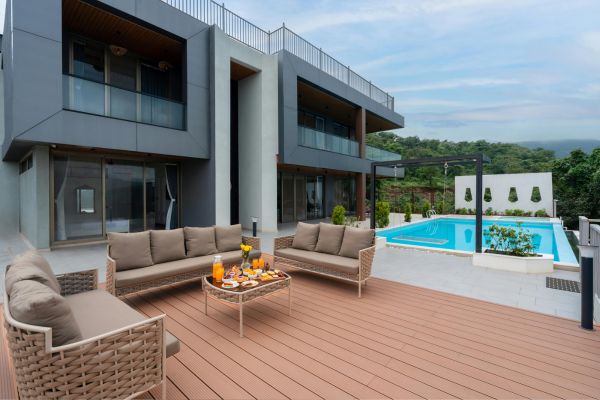
There’s something quietly magical about stepping into a well-designed backyard patio. It doesn’t have to be grand or expensive to feel inviting. In fact, some of the coziest spaces come from thoughtful choices rather than big budgets. The goal isn’t perfection—it’s comfort, atmosphere, and a sense that you actually want to spend time there.
These backyard patio design tips focus on creating a space that feels lived-in, personal, and genuinely relaxing. Whether your patio is large or barely more than a corner, the principles remain the same: balance, warmth, and intention.
Start With How You Want to Use the Space
Before choosing furniture or colors, it helps to pause and ask a simple question: what is this patio really for?
Some people want a quiet reading nook. Others imagine weekend dinners, family gatherings, or a place to unwind after long days. The purpose shapes everything—from layout to materials.
A patio designed for conversation might center around a seating area, while one meant for dining needs a clear, comfortable table setup. When the purpose is clear, decisions feel easier, and the space naturally comes together in a more cohesive way.
Define the Layout Without Overcomplicating It
One of the most overlooked backyard patio design tips is how much layout affects comfort. Even a small patio benefits from defined zones.
You don’t need walls or fences to create structure. Sometimes it’s as simple as arranging furniture in a way that suggests purpose. A rug can anchor a seating area. A table naturally creates a dining zone. Even planters can act as subtle boundaries.
At the same time, avoid overcrowding. A patio should feel open enough to move through easily. If you have to squeeze between chairs or constantly rearrange things, the space loses its ease.
Choose Materials That Feel Natural and Lasting
Materials quietly shape the mood of a patio. Wood feels warm and organic. Stone brings a grounded, timeless quality. Metal can add contrast, especially when softened with cushions or greenery.
You don’t have to stick to one material, but mixing them thoughtfully makes a difference. A wooden table paired with metal chairs, or stone flooring with soft textiles, creates balance.
Durability matters too. Outdoor spaces face sun, rain, and dust. Choosing materials that age well means your patio will still look inviting over time, even with a bit of wear.
Let Comfort Lead the Way
A patio might look beautiful, but if it’s not comfortable, it won’t be used. That’s where many designs fall short.
Cushions, soft seating, and supportive chairs make a big difference. Even something as simple as adding a throw or a padded bench can transform how the space feels.
Think about how long you’d actually want to sit there. If the answer is “not very long,” then it’s worth adjusting. Comfort invites people to stay, and staying is what turns a patio into a real part of daily life.
Use Lighting to Shape the Atmosphere
Lighting is one of the most powerful yet subtle backyard patio design tips. It changes how a space feels after sunset and often determines whether the patio is used at all in the evening.
Soft, warm lighting tends to create a relaxed mood. String lights draped overhead, lanterns placed along edges, or small solar lights tucked into greenery can add just enough glow without feeling harsh.
Avoid overly bright lighting that makes the space feel exposed. A cozy patio usually leans toward gentle illumination, where shadows and light work together rather than compete.
Bring in Greenery for Life and Texture
Plants have a way of softening everything. Even a minimal patio benefits from a touch of greenery.
You don’t need a full garden. A few potted plants, climbing vines, or even herbs can introduce color and movement. They also help connect the patio to the surrounding outdoor space, making it feel less separate and more integrated.
If maintenance is a concern, choosing hardy plants or low-care varieties keeps things manageable. The goal is to enhance the space, not create extra work.
Add Layers With Textiles and Details
A cozy patio often comes down to layering. Just like indoor spaces, outdoor areas feel more inviting when textures and details are thoughtfully combined.
Outdoor rugs, cushions, and throws add softness and visual interest. They also help define the space and make it feel intentional rather than temporary.
Small details matter too. A simple centerpiece, a few decorative items, or even a carefully placed tray can make the patio feel complete. It doesn’t have to be elaborate—just enough to show that the space is cared for.
Create Shade for Comfort Throughout the Day
Sunlight is beautiful, but too much of it can make a patio uncomfortable. Shade plays a practical and aesthetic role.
Options vary depending on the space. Pergolas, umbrellas, or even strategically placed plants can provide relief from direct sun. The key is to ensure there’s at least one area where you can sit comfortably during warmer hours.
Shade also adds depth to the design. It creates contrast between light and shadow, which makes the space feel more dynamic.
Keep It Personal and Slightly Imperfect
One of the most overlooked backyard patio design tips is allowing the space to feel personal rather than staged.
A patio doesn’t need to look like a showroom. In fact, the most inviting spaces often have a bit of imperfection. Maybe the cushions don’t match perfectly, or the furniture shows a little wear. That’s part of the charm.
Adding elements that reflect your personality—whether it’s a favorite color, a handmade piece, or something collected over time—makes the space feel authentic. And authenticity is what makes people feel at ease.
Think About Flow Between Indoor and Outdoor Spaces
A patio works best when it feels connected to the home rather than separate from it.
This doesn’t mean the design has to match exactly, but there should be some sense of continuity. Similar colors, materials, or even just a consistent style can help bridge the gap.
When the transition feels natural, stepping outside becomes an extension of being inside. It encourages more frequent use and makes the patio feel like a true part of the living space.
Adjust With the Seasons Instead of Redesigning
A patio doesn’t need a complete overhaul to stay fresh. Small seasonal adjustments can keep it feeling new.
In warmer months, lighter fabrics and brighter accents might feel right. As the weather cools, adding thicker cushions or warmer tones can shift the mood.
This approach keeps the space flexible and avoids the need for constant redesign. It also allows the patio to evolve naturally over time.
Balance Simplicity With Interest
It’s easy to overdesign a patio in the effort to make it feel special. But often, simplicity is what creates calm.
At the same time, too little detail can make the space feel unfinished. The balance lies somewhere in between.
Choose a few elements to stand out—a statement table, a cluster of plants, or a unique lighting feature—and let the rest support those choices. This creates focus without overwhelming the space.
Conclusion
Designing a patio isn’t about following strict rules or chasing trends. It’s about creating a space that feels good to be in—one that invites you to sit, relax, and stay a while.
These backyard patio design tips are less about perfection and more about intention. When comfort, layout, and atmosphere come together, even the simplest patio can feel like a retreat.
In the end, the best patio is the one you actually use. The one where mornings start quietly, evenings stretch a little longer, and time seems to slow down just enough to notice it.