
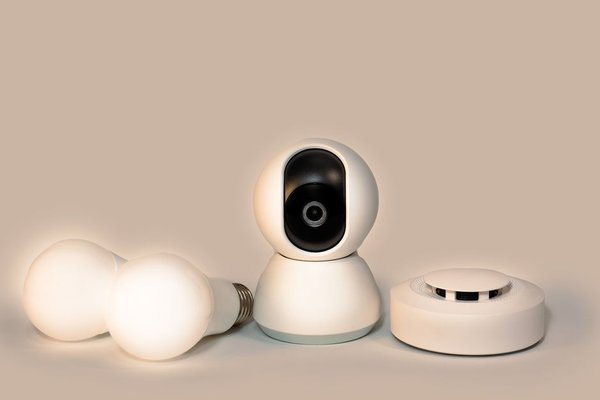
A smoke alarm can sit quietly on the ceiling for years, passing every quick button test, while its replacement deadline slips by unnoticed. If you are wondering how often to replace smoke detectors, the usual answer is every 10 years from the date of manufacture, not from the day you moved in or last changed the battery.
That rule applies to most household smoke alarms, including battery-powered and hardwired models. A working test button is reassuring, but it does not reset the smoke alarm lifespan. The useful habit is to track two different things: whether each alarm works today and when the entire unit is due for retirement.
Replace most smoke detectors every 10 years
The U.S. Fire Administration and National Fire Protection Association recommend replacing smoke alarms 10 years after their manufacturing date. Components inside an alarm age, and its smoke-sensing performance cannot be judged just by looking at the casing. A yellowed alarm might still be relatively young; a clean-looking one might already be overdue.
Always follow the manufacturer’s stated replacement date if it comes sooner. Some specialty or combined alarms have different service-life requirements. For a typical smoke-only alarm, though, the 10-year mark is the practical deadline to remember.
How to check your smoke detector’s age
Look for the manufacturing date on a label on the back or side of the alarm. Depending on the model, you may need to gently twist it off its mounting plate. Read its instructions first, especially for hardwired or interconnected units, and avoid touching electrical connections. If the date is hidden, the model number and manufacturer’s documentation may help.
Use the manufacturing date rather than a handwritten installation date. For example, imagine you moved into a home in 2023 and find a hallway alarm marked March 2017. Its replacement date is March 2027, not 2033. The smoke detector age includes the time it spent in storage before installation.
If the label is missing, illegible, or too worn to confirm the alarm’s age, replacing it is safer than guessing. When installing the new alarm, record its manufacture date and planned replacement month in your phone or home-maintenance calendar.
When should you replace a smoke alarm early?
Ten years is a maximum routine interval, not a reason to keep a faulty alarm in service. A younger unit may need replacement for several reasons.
It fails a monthly test
Press the test button according to the manufacturer’s instructions. If the alarm does not sound, check the power supply and any replaceable battery as directed. If it still fails, replace the alarm promptly. Never assume that a light on the front proves the audible warning will work.
Chirping continues after troubleshooting
An occasional chirp may signal a low battery, an end-of-life warning, or another fault. The exact pattern varies by model. Consult the manual; if a replaceable battery and recommended cleaning do not resolve the issue, or the device signals end of life, replace it. Our smoke alarm chirping troubleshooting guide can help you distinguish warning patterns without silencing protection.
The casing or sensor appears damaged
Replace an alarm with obvious physical damage, signs of water intrusion, or contamination that cannot be addressed using approved cleaning instructions. Do not paint the unit, open its sealed sensing chamber, or try to test it with a flame. If repeated nuisance alarms continue despite cleaning and appropriate placement, follow the manufacturer’s advice on replacement.
Changing batteries is not the same as replacing the alarm
Much of the confusion around smoke detector expiration comes from mixing up battery maintenance with device replacement. Both matter, but they operate on different schedules.
Alarms with replaceable batteries
For conventional alarms using replaceable batteries, test monthly and replace the battery at least annually, or sooner when a low-battery warning sounds. Use the battery type specified by the manufacturer. A fresh battery does not extend the alarm’s 10-year lifespan.
Sealed 10-year battery alarms
These models have batteries designed to last for the intended service life. They are not meant to be opened for routine battery replacement. If the sealed battery fails or the unit gives an end-of-life warning, replace the whole alarm. Continue monthly testing throughout its life.
Hardwired alarms
Hardwired smoke alarms also age and generally need replacing after 10 years. Models with replaceable backup batteries need battery maintenance as specified, commonly at least once a year. Have a qualified electrician handle hardwired installation or replacement; matching plugs or brackets alone does not guarantee compatibility.
Build a maintenance routine that catches overdue alarms
The easiest approach is a household smoke-alarm inventory. Walk through the home once, note the manufacture date of each unit, and set a replacement reminder for each one. You may discover that alarms installed together were manufactured in different years.
Then keep a simple schedule: press each test button monthly; check for dirt and clean only as directed; review batteries and age labels annually; and replace units at their deadlines. If an alarm is removed for inspection, reinstall and test it immediately so the home is never left unprotected.
Use the yearly review to confirm every sleeping area is covered and that everyone can hear the warning. For room-by-room advice, consult a smoke alarm placement guide. Interconnected alarms offer extra protection because activation of one can sound the others, and any changes should comply with local requirements.
Finally, treat replacement as one part of household preparedness. Make sure family members recognise the alarm sound and practise a home fire escape plan. When a smoke alarm sounds as a fire warning, leave the building and call emergency services from outside.
Frequently asked questions
Do smoke detectors really expire after 10 years?
Yes. For most household smoke alarms, 10 years from the manufacturing date is the recommended replacement limit. The detector may still beep when tested, but that does not mean its sensing components should be kept in service beyond the deadline.
Should I replace smoke alarms when I move into a house?
Not automatically, but check every alarm’s manufacturing date and test it before relying on it. Replace any that are overdue, damaged, untestable, or of unknown age. Do not assume a recent renovation means the alarms are new.
Does a hardwired smoke detector last longer than a battery-powered one?
Usually not. Hardwired power does not prevent sensor ageing. Most hardwired units still have a 10-year replacement interval, with separate maintenance requirements for any backup battery.
Is a smoke detector the same as a carbon monoxide alarm?
No. Smoke and carbon monoxide alarms detect different hazards. Combination units may have their own marked replacement dates, so check the exact model instead of applying the smoke-only rule to every CO detector.
The bottom line
Check the label, not just the beep. Replace most smoke detectors 10 years after manufacture and sooner if they fail testing, show damage, or reach a manufacturer-specified end-of-life warning. Monthly tests, timely battery care, and a simple replacement reminder make the rule easy to follow—and help ensure the alarm is ready when it matters.