
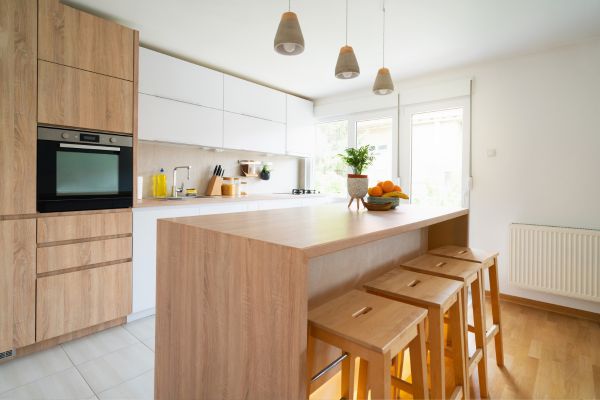
Walking into a kitchen for the first time with the intention of actually cooking can feel surprisingly intimidating. There’s a strange moment many beginners experience while standing in the cookware aisle or scrolling through kitchen gadgets online. Everything looks useful. Every pan claims to be essential. Every appliance promises to make cooking easier, faster, or somehow more enjoyable.
Then reality sets in.
Most people don’t need half the gadgets they initially think they do. In fact, overly cluttered kitchens often make learning to cook more stressful rather than less. What beginners usually need isn’t a professional chef’s setup. They need a small collection of reliable, versatile tools that make everyday cooking manageable.
That’s really the heart of understanding essential kitchen tools for beginners.
A good beginner kitchen isn’t about perfection or expensive equipment. It’s about creating a functional space where simple meals feel approachable. Over time, cooking habits naturally evolve, and tools can be added gradually. But starting with a strong foundation matters far more than owning every trendy gadget on the market.
Interestingly, some of the most useful kitchen tools are also the simplest.
A Reliable Chef’s Knife Changes Everything
Almost every experienced cook eventually says the same thing: a good knife matters more than nearly anything else in the kitchen.
For beginners, that can sound overly dramatic at first. But after using a dull or uncomfortable knife for a while, the difference becomes obvious quickly.
A solid chef’s knife handles an enormous range of tasks. Chopping vegetables, slicing meat, mincing garlic, cutting herbs, and preparing fruit all become easier and safer with a properly balanced blade.
The important thing is not chasing the most expensive option available. Comfort matters far more. A knife should feel stable in the hand and manageable during longer prep sessions.
Sharpness also plays a surprisingly large role in kitchen confidence. Beginners often assume dull knives are safer because they seem less aggressive, but the opposite is usually true. Dull blades slip more easily and require extra force, which increases frustration and risk.
One reliable knife often replaces several unnecessary specialty tools.
Cutting Boards Deserve More Attention Than People Realize
A good cutting board quietly supports almost every cooking task.
Many beginners underestimate how important surface space can feel during meal preparation. Small or unstable boards quickly become annoying, especially while chopping larger ingredients or managing multiple items at once.
Wooden cutting boards remain popular because they’re durable and gentler on knife edges. Plastic boards, on the other hand, are lightweight and easier to sanitize in some situations.
Most kitchens benefit from having at least two boards — one primarily for produce and another reserved for raw proteins. It simplifies cleanup and helps maintain better kitchen hygiene without requiring complicated routines.
There’s also something psychologically helpful about having a dedicated prep space. A stable cutting board makes cooking feel more organized almost immediately.
Nonstick and Stainless Steel Pans Cover Most Needs
Cookware can become overwhelming very quickly for beginners.
Cast iron, copper, ceramic, carbon steel, enamel-coated cookware — the options seem endless. Yet most everyday cooking tasks can be handled comfortably with just a few reliable pans.
A medium-sized nonstick skillet is often the easiest starting point. Eggs, pancakes, vegetables, and delicate foods cook more comfortably on a forgiving surface, especially while learning basic techniques.
At the same time, stainless steel pans remain incredibly useful for browning, sautéing, and cooking foods that benefit from higher heat.
The goal isn’t building a restaurant kitchen immediately. It’s creating flexibility without unnecessary complication.
Many beginner kitchens function perfectly well with one nonstick skillet, one stainless steel pan, and a medium saucepan for soups, pasta, or grains.
Simple setups often encourage more cooking because there’s less mental clutter involved.
Measuring Tools Help Build Confidence
Experienced cooks sometimes rely heavily on instinct, but beginners usually benefit from precision.
Measuring cups and spoons provide consistency, especially while learning recipes for the first time. Baking in particular depends on fairly accurate measurements, though even savory cooking becomes easier when proportions are clear.
There’s an emotional side to this too.
When someone is learning to cook, uncertainty can feel discouraging. Measuring tools remove some of the guesswork and help recipes feel more approachable. Over time, many people naturally begin estimating quantities more comfortably, but precise tools provide a valuable foundation early on.
A liquid measuring cup also becomes surprisingly useful for sauces, soups, dressings, and baking projects.
These tools may seem basic, but they quietly support nearly every part of the cooking process.
Mixing Bowls Become Constantly Useful
Few kitchen tools are as universally practical as mixing bowls.
At first glance, they don’t seem particularly exciting. Yet they end up being used constantly for marinating ingredients, mixing batters, washing produce, tossing salads, holding chopped vegetables, or storing leftovers temporarily during cooking.
Nesting bowl sets help save space, which matters in smaller kitchens.
Stainless steel bowls remain popular because they’re lightweight, durable, and versatile. Glass bowls work well too, particularly for microwave use or ingredient visibility while cooking.
One thing beginners often discover quickly is that cooking becomes much smoother when ingredients can be organized ahead of time. Mixing bowls support that process naturally.
The kitchen simply feels less chaotic when there’s somewhere convenient to place things.
Wooden Spoons and Silicone Spatulas Handle Everyday Cooking
Some tools quietly become favorites because they work for almost everything.
Wooden spoons are simple, durable, and gentle on cookware surfaces. They stir sauces comfortably, handle heat well, and feel surprisingly natural in the hand.
Silicone spatulas are equally practical. They scrape mixing bowls thoroughly, fold ingredients gently, and help prevent food waste during cooking or baking.
These aren’t flashy tools, but they often become the most frequently reached-for items in the kitchen.
Interestingly, beginner cooks sometimes focus heavily on major appliances while overlooking basic utensils that affect everyday cooking far more directly.
Comfortable, reliable tools reduce friction in the kitchen. That matters more than novelty gadgets in the long run.
Baking Sheets Are More Versatile Than Many People Expect
A sturdy baking sheet becomes useful even for people who rarely bake.
Roasting vegetables, crisping potatoes, reheating food, cooking chicken, or preparing sheet pan dinners all depend on reliable oven-safe trays.
Sheet pan meals have become especially popular because they simplify cleanup and reduce cooking complexity. Toss ingredients onto a tray, season them, roast everything together, and dinner becomes far less intimidating.
Beginners often benefit from cooking methods that feel forgiving rather than overly technical. Baking sheets support exactly that kind of cooking.
Lined with parchment paper, cleanup becomes easier too, which honestly matters more than people sometimes admit.
Storage Containers Help Reduce Kitchen Stress
Cooking regularly tends to create leftovers, prepared ingredients, and half-used produce. Without decent storage containers, kitchens become cluttered quickly.
Good food storage doesn’t just preserve ingredients. It also supports meal planning, reduces waste, and makes cooking feel more manageable throughout the week.
Glass containers are increasingly popular because they resist staining and transition easily between refrigerator, microwave, and table. Plastic containers remain lightweight and practical as well.
What matters most is having a consistent system rather than random mismatched containers with missing lids.
Organized storage quietly reduces mental fatigue in the kitchen. Small frustrations disappear when leftovers can actually be stored neatly.
Appliances Should Solve Real Problems
Many beginners feel pressured to buy multiple kitchen appliances immediately. Air fryers, stand mixers, espresso machines, blenders, pressure cookers, and food processors all promise convenience.
Some genuinely are useful.
But beginner kitchens usually work best when appliances are added gradually based on actual cooking habits rather than aspiration alone.
Someone who makes smoothies daily may genuinely benefit from a blender. A person who rarely bakes probably doesn’t need a large stand mixer immediately.
There’s nothing wrong with building a kitchen slowly.
In fact, many experienced home cooks eventually realize that fewer well-used tools often create a more enjoyable cooking environment than overcrowded cabinets filled with rarely touched gadgets.
Learning the Kitchen Matters More Than Owning Everything
One of the most overlooked truths about cooking is that confidence develops through repetition, not equipment.
The right tools help, absolutely. Sharp knives, reliable pans, and organized storage make everyday cooking smoother and more enjoyable. But no kitchen setup instantly transforms someone into an expert cook.
Beginners often improve fastest when they focus on learning basic techniques rather than accumulating more equipment.
Simple meals prepared consistently teach timing, seasoning, heat control, and kitchen rhythm naturally over time.
The kitchen becomes less intimidating once familiarity starts replacing uncertainty.
Conclusion
Understanding essential kitchen tools for beginners is really about practicality rather than perfection. A functional kitchen doesn’t need endless gadgets or expensive cookware collections to support good cooking.
Most beginners benefit from a small group of reliable tools that simplify daily tasks and reduce frustration. A sharp chef’s knife, sturdy cookware, measuring tools, mixing bowls, and versatile utensils create a strong foundation for almost any cooking style.
Over time, kitchens naturally evolve alongside personal habits. New tools get added gradually, favorite cookware develops character, and cooking routines become more instinctive. But starting with thoughtful basics often creates a far more comfortable learning experience than chasing every trend or appliance immediately.
Cooking itself tends to become less intimidating once the kitchen feels manageable.
And honestly, that sense of ease matters more than having a perfectly stocked kitchen from day one.