
A home has a rhythm to it. It expands in summer heat, settles into the quiet of winter, gathers dust in spring, and prepares itself for colder days in fall. Keeping up with that rhythm isn’t about perfection—it’s about paying attention. A thoughtful Home Maintenance Checklist by Season helps you stay in tune with your space, preventing small issues from quietly growing into bigger ones.
There’s something reassuring about knowing what your home needs, and when. It removes the guesswork. It turns maintenance into a habit instead of a burden.
Understanding the Natural Cycle of Home Care
Homes, like people, respond to changing environments. Temperature shifts, humidity, rain, and sunlight all play their part in shaping how a house ages. When you approach upkeep seasonally, you’re not reacting to problems—you’re anticipating them.
Spring invites renewal. Summer demands vigilance. Fall calls for preparation. Winter requires protection. Each season carries its own responsibilities, and when handled well, they flow into one another almost effortlessly.
Spring Refresh and Renewal Tasks
Spring feels like a reset button. After months of closed windows and heavier air, the house seems ready to breathe again. This is the season where cleaning becomes more than just routine—it becomes restorative.
Windows are a good place to start. Letting sunlight in, really letting it in, often reveals what winter has left behind. Dust clings to corners, screens gather debris, and glass dulls slightly over time. Cleaning them feels small but changes the mood of the entire space.
It’s also a good time to check for damage that colder months may have caused. Roof shingles can loosen, gutters may clog, and exterior paint might show early signs of wear. Walking around your home slowly, with no rush, often reveals more than any checklist.
Inside, attention shifts to air quality. Replacing filters, opening vents, and letting fresh air circulate can make the house feel lighter. There’s a subtle difference in how a room feels when it’s been aired out properly—it’s not just cleaner, it’s calmer.
Spring is also when gardens begin to stir. Even if you’re not an avid gardener, clearing out dead plants and trimming overgrowth helps your home’s exterior feel alive again.
Summer Upkeep and Outdoor Care
Summer brings longer days and, with them, a different kind of maintenance. This is when homes are used more—doors open frequently, outdoor spaces become extensions of living areas, and systems like air conditioning work harder than usual.
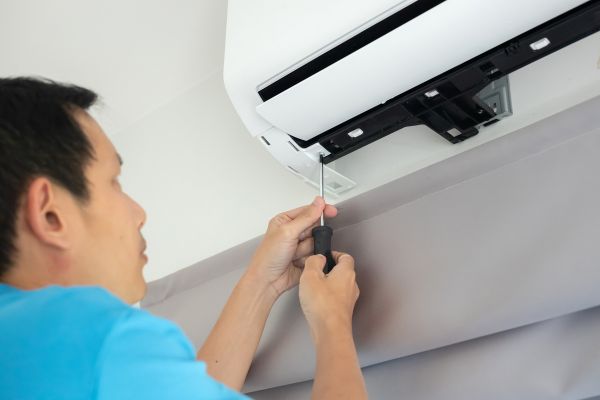
Keeping an eye on cooling systems becomes essential. A well-functioning system isn’t just about comfort—it’s about efficiency. When it runs smoothly, it uses less energy and creates fewer surprises later.
Outdoor spaces take center stage during summer. Patios, decks, and driveways benefit from a bit of attention. A simple cleaning or minor repair can make these areas feel inviting again. It’s interesting how a small crack or loose board, once fixed, can subtly change how you experience the space.
Summer is also a time to check for pests. Warmer temperatures tend to bring them closer to home. Sealing gaps, keeping surfaces clean, and staying observant can prevent minor annoyances from turning into ongoing issues.
Water usage often increases during this season, especially with gardening or outdoor cleaning. Checking hoses, faucets, and irrigation systems for leaks helps conserve water and avoids unnecessary damage.
Fall Preparation for Cooler Months
There’s a certain quiet urgency to fall. The air cools, days shorten, and the home begins preparing for the months ahead. This is where a Home Maintenance Checklist by Season becomes especially valuable.
One of the most important tasks is clearing gutters. Leaves may look harmless as they fall, but when they collect, they block water flow. Over time, that can lead to water damage in places you don’t immediately see.
Heating systems also come back into focus. Before the cold sets in fully, it’s worth making sure everything is functioning properly. There’s comfort in knowing your home will stay warm without interruption.
Sealing gaps around windows and doors becomes more noticeable during this time. Even small drafts can affect how a space feels, and addressing them early makes a difference once temperatures drop.
Fall is also about looking outward. Trees close to the house may need trimming, and outdoor furniture might need to be stored or covered. It’s a gentle process of tidying up before winter arrives.
Winter Protection and Indoor Focus
Winter shifts the focus inward. With doors closed and windows sealed, the home becomes a shelter in the truest sense.
During this season, maintenance is less about fixing and more about preserving. Pipes, for instance, need protection from freezing temperatures. Insulating them where necessary can prevent sudden, inconvenient problems.
Monitoring humidity indoors becomes more important than many realize. Air tends to become dry, which affects both comfort and materials within the home. Wood, fabrics, and even walls respond to these subtle changes.
It’s also a time to stay attentive to safety. Heating systems, electrical connections, and even simple things like smoke detectors deserve occasional checks. Winter may slow everything down, but it doesn’t pause the need for awareness.
Snow, where it occurs, adds another layer of responsibility. Keeping pathways clear and ensuring that weight doesn’t accumulate on roofs helps maintain both safety and structure.
Creating a Seasonal Routine That Works
The idea of a Home Maintenance Checklist by Season might sound structured, but it doesn’t have to feel rigid. In fact, the most effective routines are the ones that adapt to your lifestyle.
Some homeowners prefer setting aside specific days for seasonal tasks, while others spread them out over weeks. There’s no perfect system—only what feels manageable and consistent.
The key is to avoid letting everything pile up. Small, regular efforts tend to be less overwhelming than large, occasional ones. Over time, these efforts become second nature.
It’s also helpful to approach maintenance with curiosity rather than obligation. Noticing how your home responds to different conditions can be surprisingly satisfying. You begin to understand its quirks, its strengths, and the areas that need more attention.
The Subtle Benefits of Staying Ahead
There’s a quiet confidence that comes from staying ahead of home maintenance. It’s not just about avoiding repairs—it’s about creating a space that feels cared for.
When systems run smoothly and small issues are handled early, the home feels more stable. There’s less stress, fewer surprises, and a stronger sense of control.
Even aesthetically, the difference is noticeable. Clean windows, well-maintained outdoor spaces, and properly functioning systems all contribute to an environment that feels welcoming.
More than anything, seasonal maintenance allows you to enjoy your home without distraction. You’re not constantly thinking about what needs fixing—you’re simply living in a space that supports you.
Conclusion: Living in Sync With Your Home
A well-followed Home Maintenance Checklist by Season isn’t about strict rules or endless chores. It’s about rhythm. It’s about noticing when your home needs attention and responding in a way that feels natural.
Each season brings its own pace, its own challenges, and its own opportunities to care for your space. When you align with that cycle, maintenance becomes less of a task and more of a habit—almost intuitive.
In the end, a home that’s cared for regularly tends to care for you in return. It stays comfortable, reliable, and quietly supportive through every season.